Professional Water Damage Restoration Services
Water Damage Cleanup, Drying, and Moisture Recovery
When you need water damage restoration, choosing a local provider familiar with Jacksonville’s conditions is critical. Local factors like heavy rainfall, frequent storms, high humidity, and moisture-prone construction can directly impact how effective a solution will be.
Our goal is to connect homeowners and property managers with experienced professionals who specialize in water removal, structural drying, and moisture control — done correctly the first time.
What the Water Damage Restoration Service Addresses
Water damage restoration may be needed when leaks, flooding, storm-related intrusion, or wet materials create active moisture concerns inside the property.
Excess moisture from leaks, flooding, or storm-related water intrusion
Water-soaked materials such as drywall, flooring, and insulation
Conditions that can lead to mold growth and poor indoor air quality
Structural damage caused by prolonged exposure to moisture
In Jacksonville’s humid climate, fast drying and moisture review are important because lingering water can lead to material damage, musty odors, and mold-related concerns.
Water intrusion is one of the leading causes of indoor mold growth, especially in humid environments. Moisture can also lead to attic mold growth.
Our Approach to Water Damage Restoration
A water damage restoration project usually begins with reviewing the source of moisture, affected materials, and drying needs before restoration or mold-related follow-up is considered.
01
Water-Damage and Safety Review
The technician assesses visible conditions, moisture sources, ventilation, and areas of concern to determine where drying, restoration, or moisture-control work may be needed.
02
Extraction and Drying Plan
The drying plan is based on the source of water, affected materials, moisture depth, access conditions, and whether mold-related follow-up may be needed after drying.
03
Water Removal and Structural Drying
Water is removed, and affected areas are dried using specialized equipment such as pumps, air movers, and dehumidifiers, along with proven restoration techniques appropriate for the region.
04
Moisture Monitoring and Drying Verification
Moisture levels are monitored and verified to ensure the structure and materials are properly dried and safe.
05
Repair and Moisture-Prevention Recommendations
Property owners receive guidance on moisture control, drainage improvements, and maintenance practices to help reduce the likelihood of future water damage.
How Local Conditions Affect Water Damage Restoration in Jacksonville
Jacksonville’s heavy rainfall, humidity, drainage issues, and storm exposure can make water damage more difficult to dry and evaluate.
Heavy Rainfall and Storm-Related Intrusion
Humidity That Can Slow Drying
Slab, Crawlspace, and Drainage Conditions
Moisture Monitoring and Mold Prevention
Fast moisture review and drying can help reduce the chance of lingering damp materials, musty odors, and mold-related follow-up issues.
When to Request Water Damage Restoration
Water damage restoration may be needed when moisture is active, materials remain damp, or water intrusion has affected walls, flooring, ceilings, insulation, attics, or crawlspaces.
Standing water or damp areas inside your home
Water stains, warping, or damage to walls, ceilings, or flooring
Persistent moisture or humidity issues
Recent events such as storms, flooding, or plumbing leaks
Excess moisture beneath the home can lead to crawlspace mold growth, especially in Jacksonville’s humid conditions.
Lingering moisture can lead to issues such as a musty smell in the home, especially in humid environments like Jacksonville.
If moisture has lingered or musty odors have developed, a mold evaluation may also be appropriate after drying is reviewed.
Related Mold Services After Water Damage
After water intrusion, mold-related services may be needed if moisture remains hidden, odors develop, or affected materials do not dry properly.

In Jacksonville, lingering moisture from water damage can quickly lead to widespread mold growth if not addressed properly. Mold remediation helps remove contamination and address affected materials.
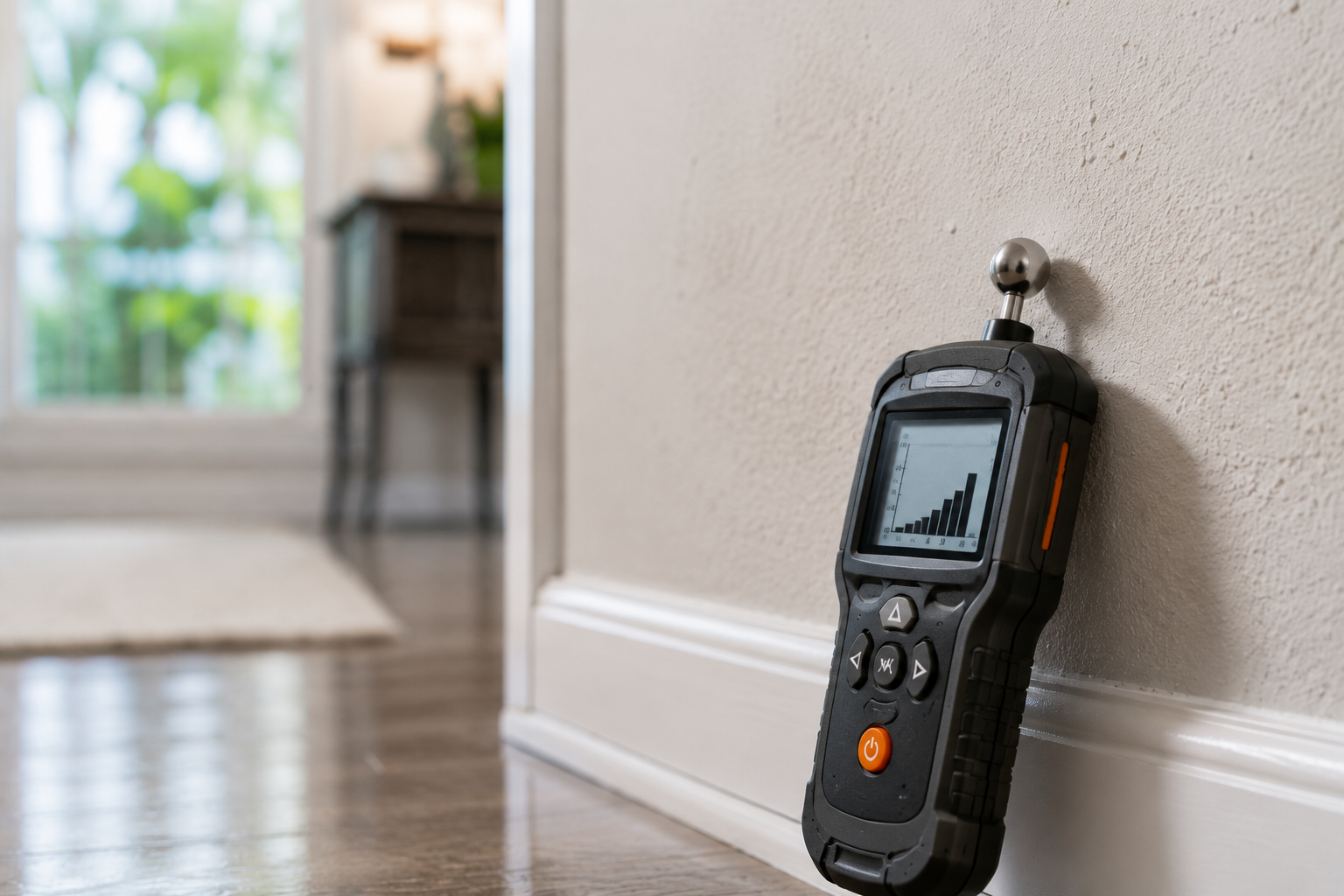
After water intrusion, hidden moisture can remain trapped behind walls, flooring, or ceilings in Jacksonville homes. Mold inspection helps identify problem areas before mold growth becomes more severe.

Jacksonville’s humid climate can make it difficult to know whether mold has developed after water damage occurs. Mold testing provides additional information when mold is suspected after water damage.
Common Water Damage Restoration Situations
Water damage restoration needs can vary depending on the source of water, how long materials stayed wet, and whether moisture has spread into hidden or enclosed areas.
Emergency water extraction and drying services
Flood damage cleanup and moisture removal
Structural drying of walls, flooring, and insulation
Preventative moisture control and drainage solutions
The restoration scope should reflect drying needs, access conditions, affected materials, and whether mold inspection or remediation may be needed afterward.
Untreated moisture can lead to black mold growth, especially in Jacksonville’s humid conditions.
Cost Factors for Water Damage Restoration
Project costs vary depending on:
Scope of work required
Any inspection or restoration requirements
Accessibility of the affected areas
Complexity of the damage and moisture conditions
Equipment and materials needed for water removal and drying
LOCAL ESTIMATE RANGE
$1,000 - $5,000*
*Requires on-site evaluation for accurate pricing
Helpful Resources After Water Damage or Moisture Intrusion
After water damage or moisture intrusion, the next step may depend on how long materials stayed wet, whether hidden moisture remains, and whether mold-related concerns have developed. These resources can help Jacksonville property owners review inspection, remediation, indoor mold growth, and cost considerations.
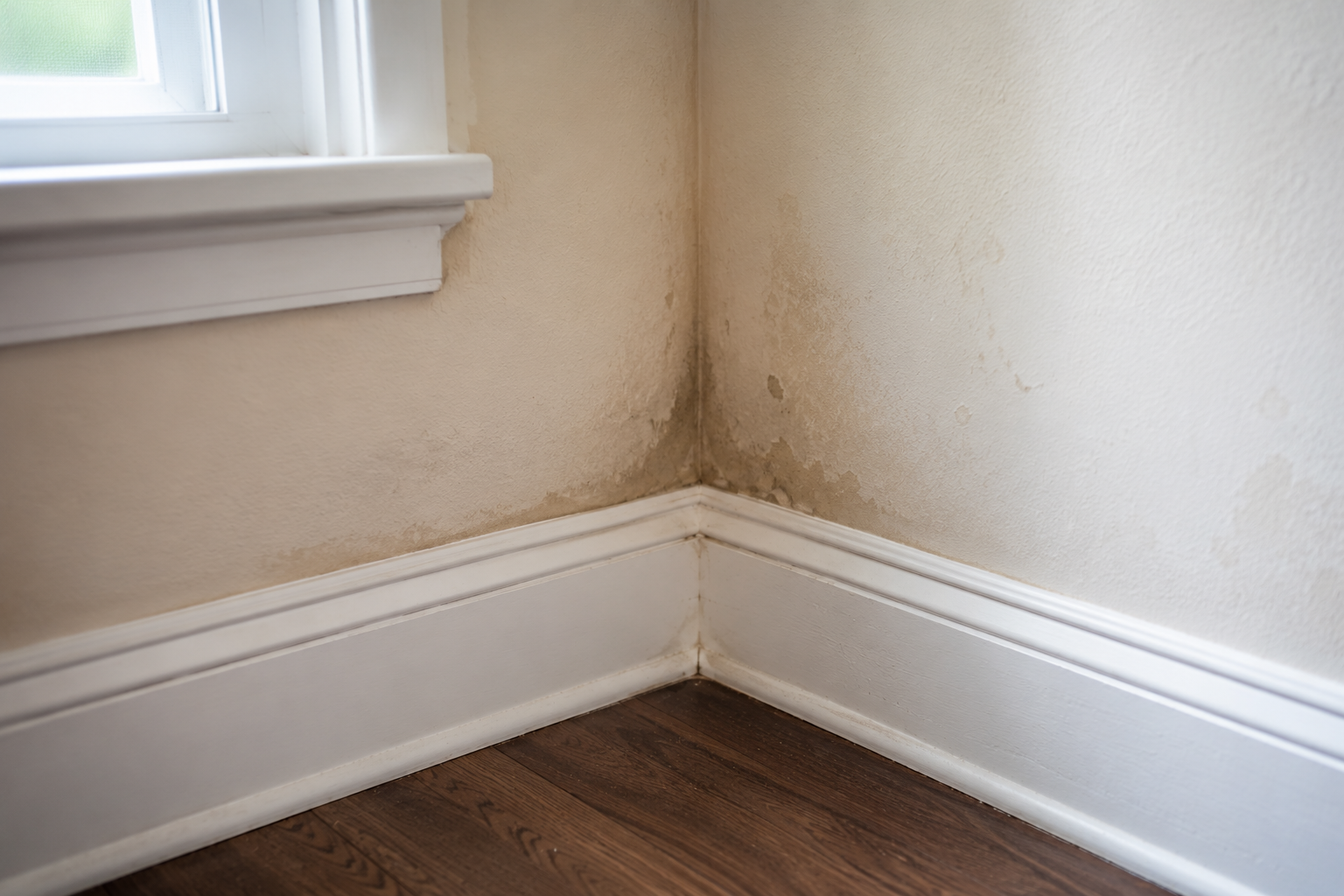
After leaks, flooding, or storm-related water intrusion, hidden moisture can remain behind walls, beneath flooring, or inside ceilings. A mold inspection can help identify affected areas before moisture problems develop into a larger mold concern.
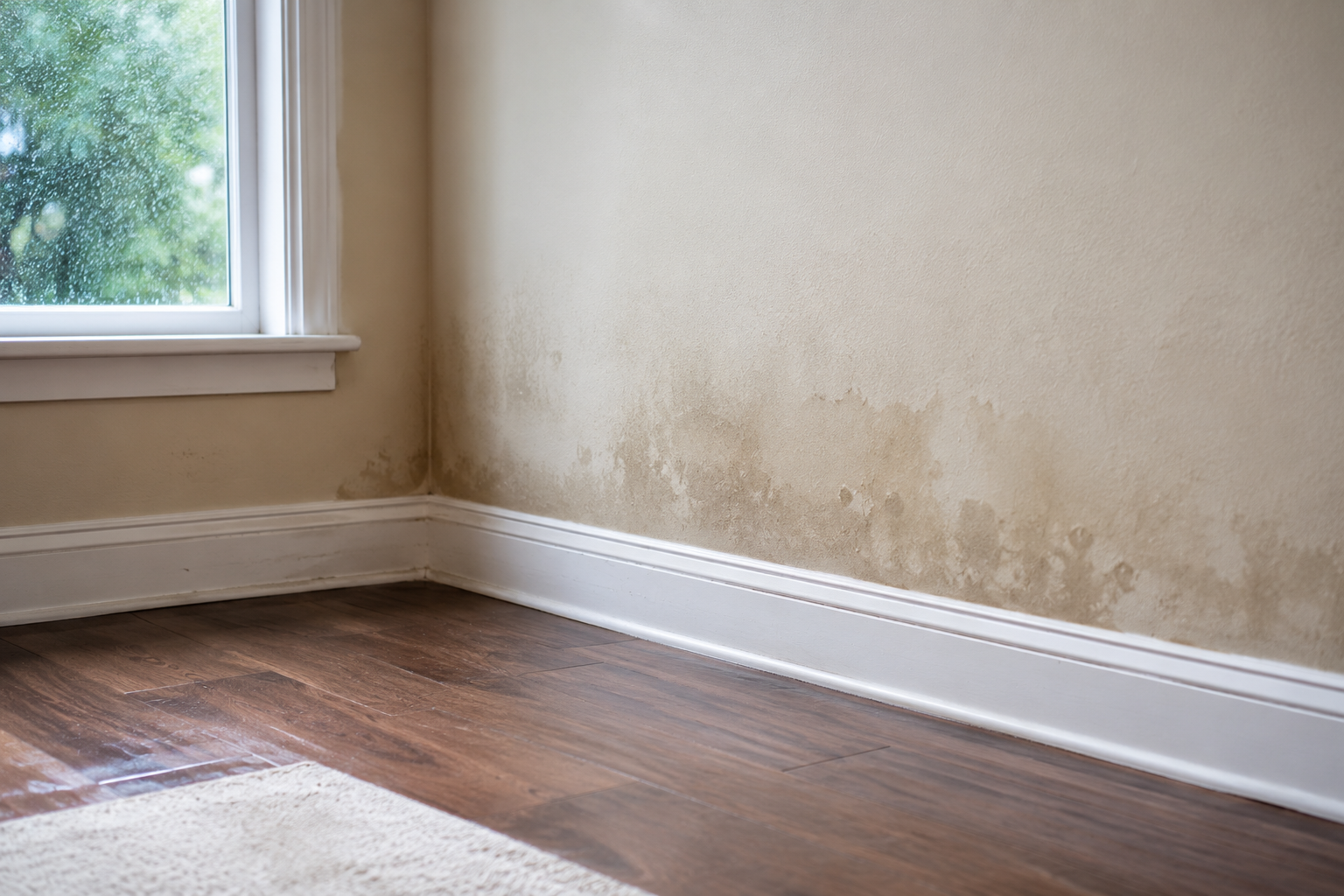
If water-damaged materials have led to visible mold, musty odors, or contamination, mold remediation may be the next step. Remediation focuses on addressing affected materials and the moisture conditions that allowed the problem to develop.
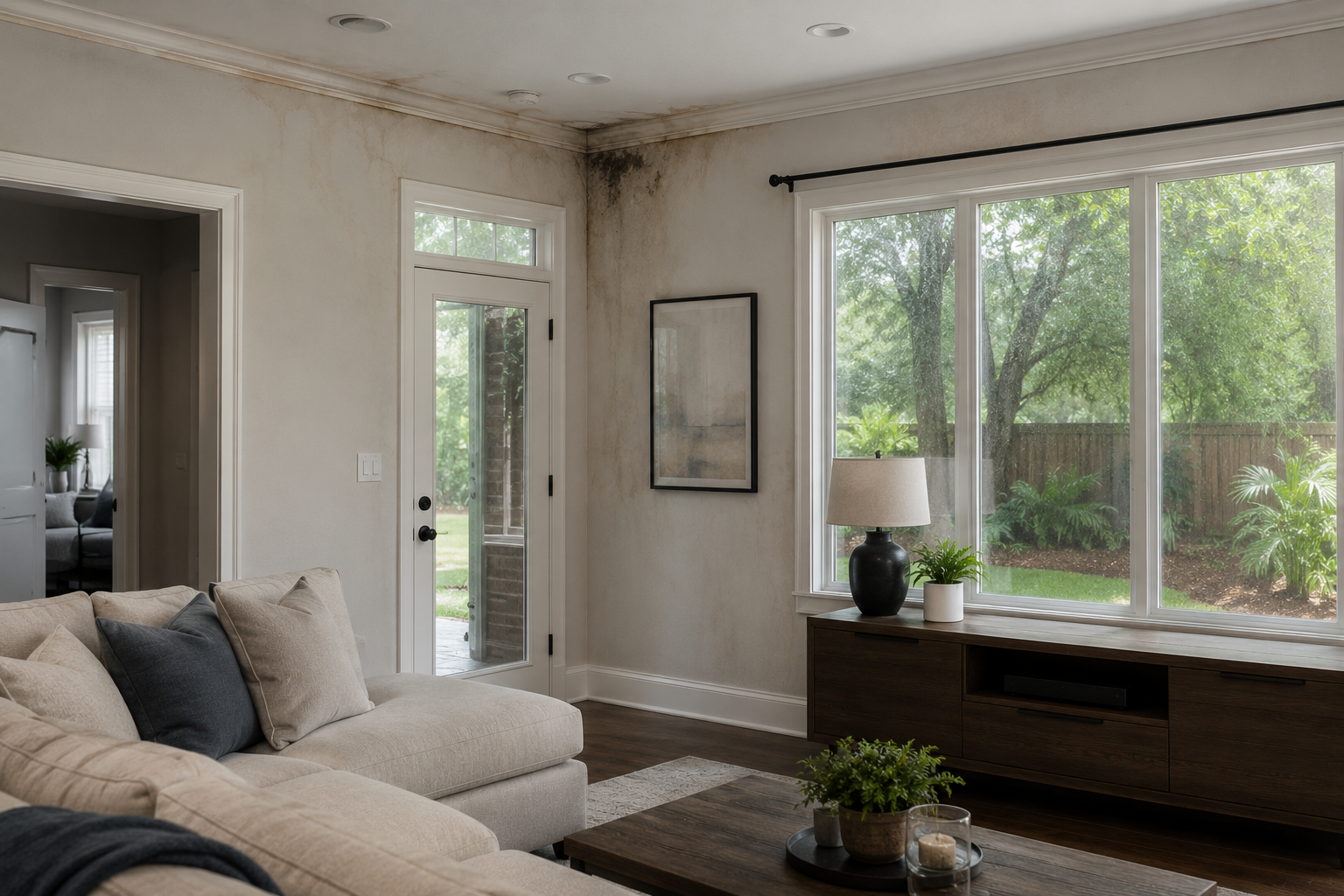
Water intrusion is one of the most common reasons indoor mold problems develop in Jacksonville homes. This guide explains how moisture can spread through walls, flooring, attics, crawlspaces, and other enclosed areas.
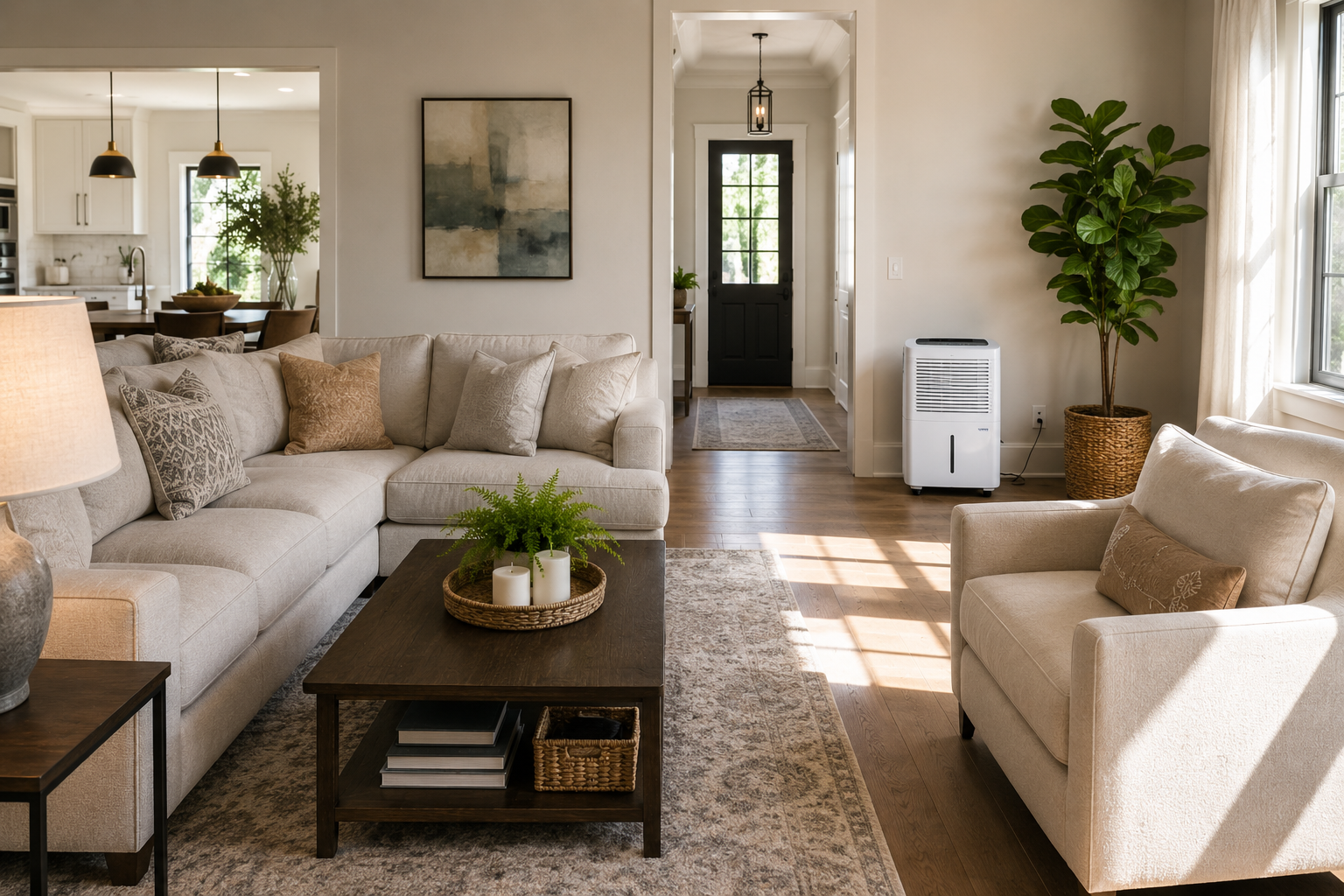
If water damage has created mold concerns, the final cost can depend on the affected area, hidden moisture, access, materials, and whether drying or remediation is needed. Reviewing the cost guide can help you understand what may influence a property-specific estimate.
Water Damage Restoration Services in Jacksonville and Nearby Northeast Florida Areas
Water damage restoration needs can vary across Northeast Florida based on rainfall, drainage, storm exposure, property access, and how long materials remained wet. Service information is available for Jacksonville-area communities including:
- Atlantic Beach Water Damage & Flood Cleanup Services
- Fleming Island Water Damage & Flood Cleanup Services
- Jacksonville Beach Water Damage & Flood Cleanup Services
- Neptune Beach Water Damage & Flood Cleanup Services
- Orange Park Water Damage & Flood Cleanup Services
- Ponte Vedra Beach Water Damage & Flood Cleanup Services
- St. Augustine Water Damage & Flood Cleanup Services
We help connect property owners across Jacksonville, Duval County, Clay County, St. Johns County, and nearby Northeast Florida communities with water damage restoration support for leaks, flooding, storm-related moisture, drainage problems, wet materials, and mold-prevention concerns.
Request a Water Damage Restoration Estimate
If you are dealing with leaks, flooding, storm-related moisture, wet materials, or water intrusion, requesting an evaluation can help clarify the drying and restoration needs. A qualified local mold professional can also review whether mold inspection, testing, or remediation may be appropriate after moisture exposure.
Call us now or use the Form below to Get Started.
Thanks for contacting us! We will be in touch with you shortly.
Please try again later.
Yes, many concrete driveways can be widened or extended, depending on the available space, property layout, drainage conditions, and any applicable HOA or municipal requirements. A driveway extension may help add parking, improve vehicle access, create a better garage transition, or make the driveway more practical for daily use.
Before widening or extending a driveway, the existing surface, base conditions, slope, runoff, landscaping, and connection to the street or garage should be reviewed. In some cases, the new section can be planned to blend with the existing driveway, while other properties may benefit from a larger replacement or layout change.
Water Damage Restoration FAQs for Jacksonville Properties
When is water damage restoration needed?
Water damage restoration may be needed after plumbing leaks, roof leaks, flooding, appliance failures, storm-related water intrusion, or moisture that has spread into walls, flooring, ceilings, insulation, attics, or crawlspaces. In Jacksonville, heavy rainfall, drainage issues, and humidity can make fast drying especially important.
Why is water damage connected to mold growth?
Mold often develops when moisture remains in affected materials long enough to create favorable conditions for growth. Water-damaged drywall, flooring, insulation, wood framing, or enclosed spaces can become vulnerable if they are not dried properly. Water damage restoration helps reduce moisture before mold problems become more extensive.
What does water damage restoration usually include?
Water damage restoration may include evaluating the affected area, removing standing water where present, drying materials, improving airflow, checking for hidden moisture, and identifying repairs or next steps. Depending on the situation, mold inspection, mold testing, or mold remediation may also be recommended if moisture has lingered or mold is suspected.
Can heavy rainfall or drainage problems increase water damage risks?
Yes. Heavy rainfall, sandy soil conditions, poor drainage, roof runoff, and storm-related water intrusion can all contribute to moisture problems around Jacksonville-area properties. Water may enter through roofs, windows, foundations, crawlspaces, or other vulnerable areas, especially when drainage or drying conditions are poor.
Should I request mold evaluation after water damage?
It can be a good idea if moisture was present for an extended period, musty odors developed, visible staining appeared, or affected materials did not dry properly. A qualified local mold professional can help determine whether mold inspection, testing, or remediation may be appropriate after water damage restoration.