Mold in Attic Jacksonville, FL
Attic Mold Causes, Warning Signs, and Moisture Conditions
If you have noticed musty odors, dark staining on attic wood, damp insulation, or signs of roof-related moisture, a qualified local mold professional can help evaluate whether attic mold may be developing. In Jacksonville, heat buildup, high humidity, storm-related roof leaks, and limited attic ventilation can create conditions where help from a licensed mold remediation professional may be needed.
You might want to check out our article reviewing the differences between mold inspection vs mold testing.
In Jacksonville homes, attic mold concerns are often tied to heat buildup, humid air rising from living spaces, roof leaks after storms, and ventilation conditions that allow moisture to remain trapped above the home.
This page explains how attic heat, trapped humidity, roof leaks, insulation concerns, and limited ventilation can contribute to attic mold in Jacksonville homes.
What Causes Attic Mold?
Attic mold usually develops when moisture becomes trapped above the living space and cannot dry properly. Common contributors include:
Poor attic ventilation that traps heat and moisture
Roof leaks or minor storm damage allowing water intrusion
Humid air rising into the attic from living spaces
Insulation issues that trap condensation in enclosed areas
Attic conditions can change slowly, so staining, odors, or damp insulation may appear after the moisture source has been active for some time.
These conditions can create the perfect environment for mold to develop if not addressed early.
How Jacksonville Conditions Affect Attic Mold Growth
Jacksonville attics can hold heat, humidity, and trapped moisture, especially when roof spaces have limited ventilation or have been affected by storms, roof leaks, or heavy rainfall. These conditions can allow moisture to collect on framing, sheathing, insulation, and other attic materials, increasing the likelihood of attic mold concerns over time.
High Humidity and Heat Buildup in Attic Spaces
Jacksonville attics can hold both heat and humidity, especially during long periods of warm weather. When strong Florida sun heats the roof and humid air remains trapped inside the attic, moisture can build up in the space and create conditions that may support mold growth on framing, sheathing, insulation, and other attic materials.
This can contribute to:
- Roof heat increasing attic temperatures
- Jacksonville humidity adding moisture to the attic air
- Warm, moist air becoming trapped when ventilation is limited
- Moisture lingering in wood, insulation, and enclosed attic materials
- Conditions that may support mold growth over time
Seasonal Storms, Hurricanes, and Heavy Rainfall
Jacksonville’s seasonal storms, hurricanes, and heavy rainfall can increase the risk of attic mold by allowing water to enter through vulnerable roofing materials, flashing, vents, or other openings. When rainwater intrusion combines with high humidity and limited attic ventilation, excess moisture can build up and create conditions that support mold growth on wood, insulation, and other attic materials.
Common attic moisture concerns include:
- Water entering through roofing, flashing, vents, or other openings
- Humid conditions and limited ventilation trapping moisture in the attic
- Excess moisture building up in insulation, framing, and other attic materials
- Damp attic conditions that may allow mold growth to develop over time
Homes With Enclosed Attic Designs and Limited Airflow
Some Jacksonville homes have enclosed attic designs that limit natural airflow and make it harder for heat and moisture to escape. When heat and humidity become trapped in the attic, moisture can accumulate over time and create conditions that support mold and mildew growth on framing, insulation, and other attic materials.
This can contribute to:
- Limited natural airflow inside the attic
- Heat and humidity becoming trapped in enclosed spaces
- Moisture accumulating with limited ability to escape
- Warm, stagnant attic conditions that may support mold and mildew growth
These conditions make attic review important when staining, odors, damp insulation, or ceiling-related moisture concerns appear.
Warning Signs to Watch For
Attic mold concerns may be worth investigating when visible staining, odors, damp insulation, or roof-related moisture appears above the living space.

Dark staining or discoloration on attic wood or insulation
In Jacksonville, high heat and humidity in attic spaces can cause moisture to linger on wood and insulation, leading to discoloration that often signals early mold growth. These visible changes may indicate a larger hidden issue developing within the attic structure.

Musty odors coming from vents or ceilings
In Jacksonville homes, humid air can carry mold-related odors from the attic into living spaces through vents and ceilings. A persistent musty smell often indicates trapped moisture and potential mold growth above the home.

Increased indoor humidity or poor air circulation
Jacksonville’s climate can amplify humidity levels indoors, especially when attic ventilation is limited. Poor airflow allows moisture to build up, creating conditions where mold can develop and spread more easily.
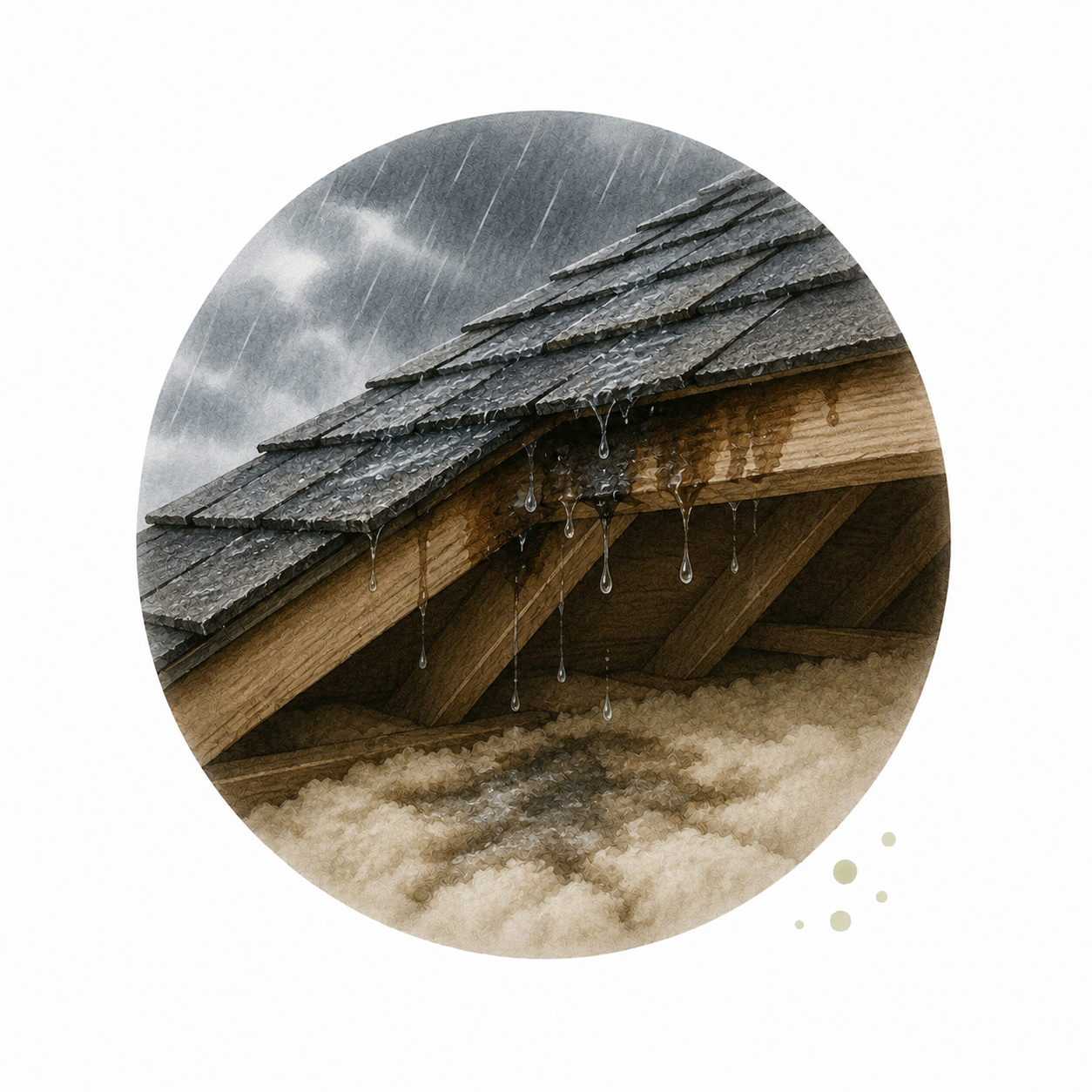
Signs of roof leaks or moisture buildup after storms
Frequent storms and heavy rainfall in Jacksonville can lead to minor roof leaks that allow moisture into attic spaces. Even small amounts of water intrusion can create ideal conditions for mold growth if not addressed quickly.
If attic warning signs appear after storms, roof leaks, or humid weather, a mold inspection can help identify the source and extent of the concern.
Potential Risks of Ignoring the Issue
When attic moisture or mold is left unresolved, the issue may continue affecting insulation, roof framing, ventilation, or nearby indoor spaces. Possible issues include:
Structural damage to wood framing and insulation
Higher repair costs due to spreading contamination
Reduced property value during inspections or resale
Additional indoor air quality issues affecting living spaces
Early attic evaluation can help determine whether the issue is connected to ventilation, roof leaks, storm moisture, or affected materials.
When to Request an Attic Mold Evaluation
An attic mold evaluation may be appropriate when staining, damp insulation, musty odors, roof leaks, or ventilation concerns are visible above the living space.
Dark staining appears on attic wood or insulation
Roof leaks or storm moisture are suspected
Musty odors come from ceilings or vents
Attic humidity or ventilation problems continue
The evaluation can help determine whether the issue is related to roof moisture, ventilation, insulation, hidden mold growth, or affected attic materials.
How Attic Mold and Moisture Problems Are Typically Addressed
Addressing attic mold usually starts with reviewing roof moisture, ventilation, insulation, and affected materials before deciding whether inspection, remediation, drying, or moisture-control work is needed. In Jacksonville, attic conditions are often influenced by heat buildup, humidity, storms, roof leaks, and limited airflow.
Checking Roof Leaks and Moisture Entry Points
Attic mold concerns often begin with moisture entering from above. Roof leaks, damaged flashing, storm-related openings, or vent issues can allow rainwater into the attic during Jacksonville’s heavy rainfall and storm season.
Reviewing Attic Ventilation and Airflow
Limited attic ventilation can allow hot, humid air to stay trapped above the living space. When attic air does not move properly, moisture can build up on sheathing, rafters, insulation, and other materials.
Addressing Affected Insulation, Wood, and Attic Materials
If attic materials are affected by mold or moisture, the next step depends on the condition of the insulation, wood framing, sheathing, and nearby surfaces. Some areas may need cleaning, drying, removal, or remediation depending on the extent of the issue.
Reducing Future Attic Moisture Problems
Long-term attic moisture control may involve improving ventilation, repairing roof leaks, correcting airflow issues, or addressing insulation and condensation concerns. In Jacksonville homes, reducing trapped heat and humidity is important for limiting recurring attic mold problems.
The goal is to identify why moisture is collecting in the attic and address both the affected materials and the conditions that allowed mold to develop.
Cost Considerations
The cost of addressing attic mold depends on roof moisture, attic access, insulation, ventilation conditions, affected materials, and whether inspection, testing, or remediation is needed. Factors may include:
Severity and scope of the contamination
Accessibility of the impacted spaces
Property size and affected areas
Materials and remediation methods required
For a detailed breakdown of pricing in Jacksonville, see the guide below.
Helpful Resources for Attic Mold and Moisture Concerns
Attic mold concerns often overlap with roof moisture, inspection needs, water damage restoration, and indoor air quality questions. These resources can help you decide what to review next.

In Jacksonville, attic mold often develops due to trapped heat and humidity combined with poor ventilation. Mold remediation helps remove contamination and address these conditions to prevent it from spreading throughout the home.
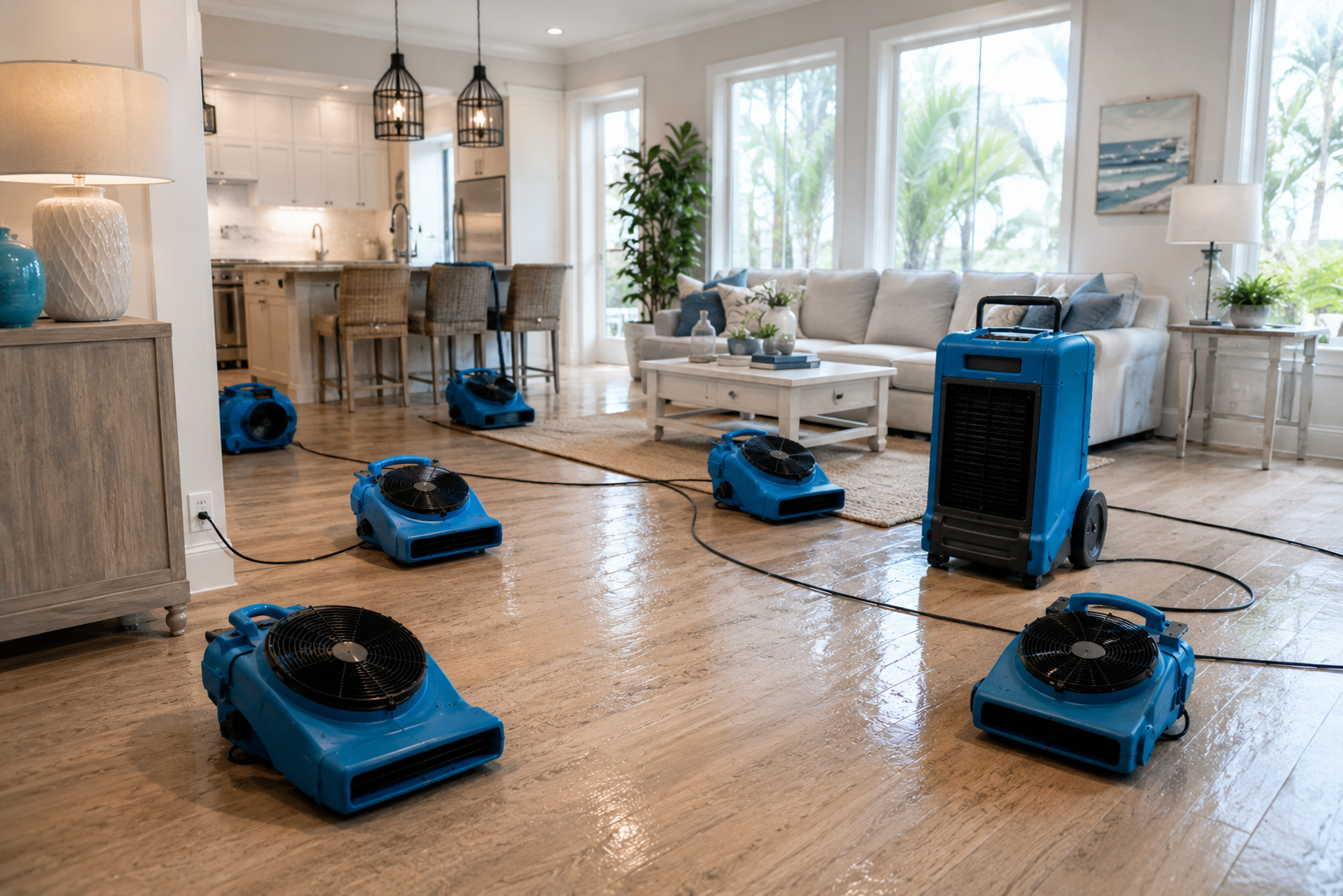
Roof leaks and storm-related moisture are common causes of attic mold in Jacksonville. Water damage restoration helps remove excess moisture and reduce the risk of mold returning.
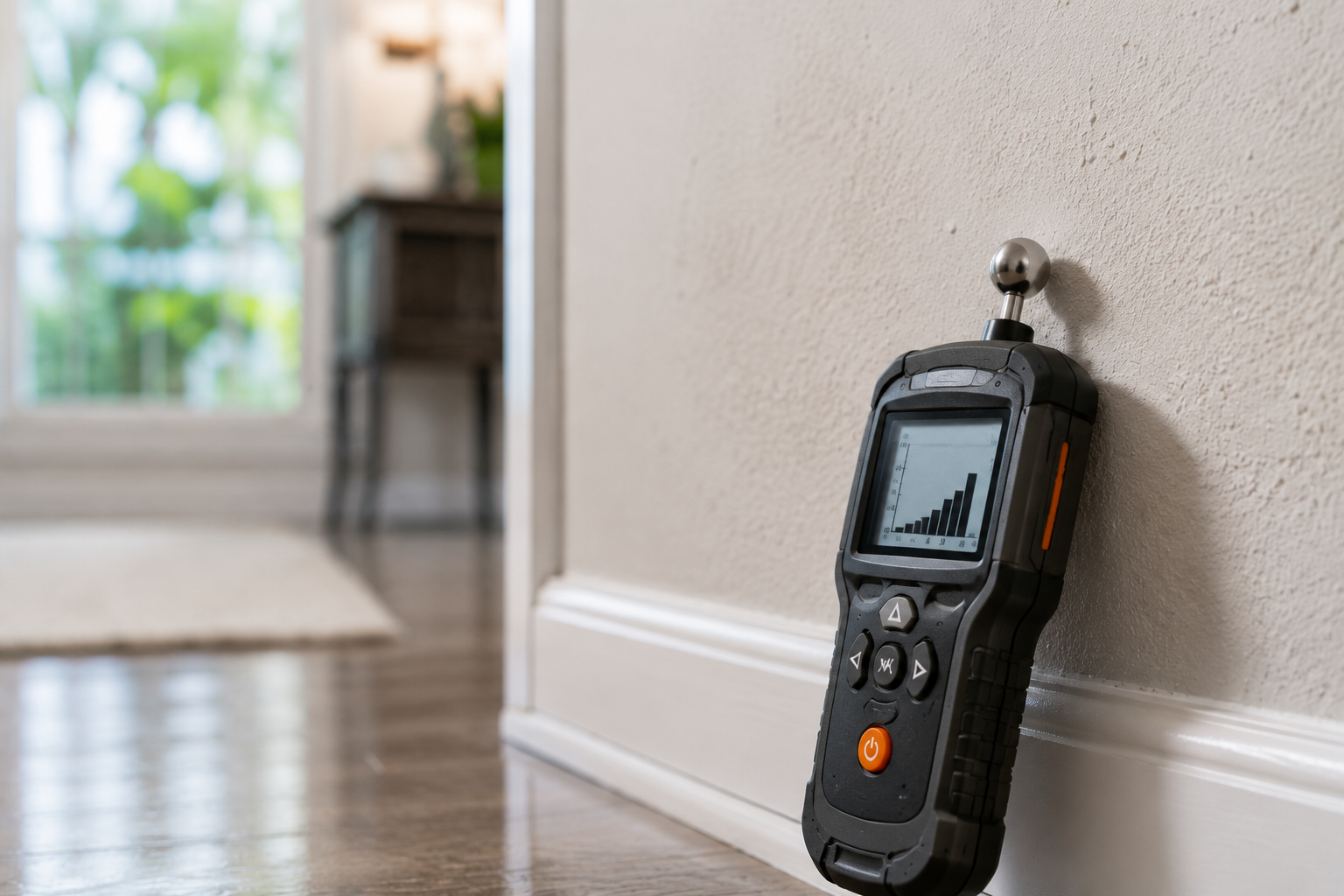
Jacksonville homes frequently experience attic moisture buildup from storms and humid air rising into enclosed spaces. Mold inspection helps identify hidden mold growth and determine the source of the problem.

In Jacksonville’s warm, humid climate, attic mold may not always be visible but can still impact air quality. Mold testing may help provide additional information when hidden mold, indoor air quality concerns, or unclear moisture conditions need further review.
Request an Attic Mold Evaluation in Jacksonville
If you are noticing attic staining, musty odors near ceilings or vents, roof-related moisture, damp insulation, or ventilation concerns, requesting an evaluation can help clarify the next step.
Include where the concern is located, when you first noticed it, whether there has been recent water intrusion, and any visible staining, odors, damp materials, or humidity issues.
Connect With a Local Mold Professional
Attic mold concerns in Jacksonville are often connected to roof leaks, storm-related moisture, poor ventilation, or trapped humidity. Provide a few details about the attic conditions so a qualified local mold professional can help review the next step.
Request an Estimate
Thanks for contacting us! We will be in touch with you shortly.
Please try again later.
Attic Mold FAQs for Jacksonville Homes
Is attic mold common in Jacksonville homes?
Attic mold can be a concern in Jacksonville because high humidity, intense heat, seasonal storms, and heavy rainfall can allow moisture to build up in enclosed attic spaces. Homes with limited ventilation, insulation concerns, or small roof leaks may be more vulnerable when moisture is not able to dry properly.
What causes mold to develop in an attic?
Common causes include poor ventilation, humid indoor air rising into the attic, roof leaks, storm-related water intrusion, condensation, and insulation issues that trap moisture near wood framing or roof materials. In Jacksonville, these conditions can develop gradually and may not be obvious from inside the home.
Can storms or roof leaks lead to attic mold?
Yes. Heavy rainfall, tropical storms, wind-driven rain, and minor roof damage can allow moisture into attic spaces. Even a small or recurring leak may create conditions that support mold growth when wood framing, insulation, or other materials remain damp for extended periods.
Can attic mold affect indoor air quality?
In some situations, moisture and mold-related odors from the attic can move into living areas through ceilings, vents, or gaps around mechanical systems. Persistent musty odors, increased indoor humidity, or signs of moisture near ceilings may be reasons to investigate further.
When should I request an attic mold evaluation?
Consider requesting an evaluation when you notice dark staining on attic wood or insulation, recurring musty odors, visible moisture, signs of a roof leak, or humidity concerns that do not improve. An assessment can help identify whether the issue is related to ventilation, water intrusion, hidden moisture, or possible mold growth.