Musty Smell in House Jacksonville, FL
Musty Odors, Hidden Moisture, and When to Investigate Further
If your Jacksonville home has a persistent musty smell, damp odor, or odor that becomes stronger after rain or humid weather, a qualified local mold professional can help evaluate whether hidden moisture may be involved. Musty odors can be connected to crawlspace humidity, attic moisture, poor ventilation, water intrusion, or mold growth behind walls, beneath flooring, or in other enclosed areas.
In Jacksonville homes, musty odors often become noticeable when humidity, rain exposure, plumbing leaks, attic moisture, crawlspace dampness, or poor airflow allows moisture to linger inside enclosed areas.
This page explains why musty odors develop, where hidden moisture may be located, and when an odor that returns after cleaning or humid weather should be evaluated further.
If you’re unsure what’s causing the odor, reviewing the differences between
mold inspection vs mold testing can help determine the right next step.
What Causes a Musty Smell in the House?
A musty smell usually points to moisture that is lingering somewhere inside or around the home. Common contributors include:
Hidden mold growth behind walls, under flooring, or in crawlspaces
Excess moisture from humidity or poor ventilation
Water intrusion from leaks, storms, or plumbing issues
Damp materials such as insulation, wood, or carpeting
Because odors can travel from hidden areas, the strongest smell is not always directly beside the moisture source.
How Jacksonville Conditions Contribute to Musty Odors
Jacksonville’s humid climate can make musty odors more persistent, especially when moisture is trapped behind walls, beneath flooring, inside attics, or below the home.In Jacksonville, musty smells often develop when moisture lingers inside the home and is not dried or ventilated properly. Year-round humidity, heavy rainfall, and enclosed spaces such as attics and crawlspaces can all allow damp air, condensation, and hidden moisture to build up, creating conditions that may support mold, mildew, and persistent odor problems.
High Year-Round Humidity That Allows Moisture to Linger Indoors
Jacksonville’s humid subtropical climate and consistently warm temperatures can allow moisture to remain on indoor surfaces and in the air for long periods. When humidity is not controlled, damp conditions can develop inside the home and create an environment where mold and mildew may grow and musty odors can become more noticeable over time.
This can contribute to:
- Moisture lingering on surfaces and in the air
- Warm, humid indoor conditions throughout much of the year
- Conditions that may support mold and mildew growth
- Musty odors becoming more noticeable if moisture is not addressed early
Seasonal Storms and Heavy Rainfall That Increase Moisture Exposure
Seasonal storms and heavy rainfall in Jacksonville can increase indoor moisture problems by allowing water to accumulate around the home, saturate the soil, and find its way into walls, floors, crawlspaces, or other vulnerable areas. When that moisture seeps indoors and does not dry properly, it can create damp conditions that may lead to mold, mildew, and persistent musty smells.
Common moisture concerns include:
- Water accumulating around the home during storms
- Saturated soil increasing moisture around the foundation
- Moisture seeping into indoor areas after heavy rainfall
- Damp conditions that may support mold, mildew, and odor problems
Homes With Enclosed Spaces Like Attics and Crawlspaces That Limit Airflow
Some Jacksonville homes have attics, crawlspaces, or other enclosed areas where ventilation is limited and moisture has fewer ways to escape. When warm, humid air becomes trapped and moisture from soil, leaks, or condensation builds up in these spaces, musty odors can develop and spread into the rest of the home.
This may lead to:
- Warm, humid air becoming trapped in enclosed spaces
- Limited airflow preventing moisture from escaping
- Moisture building up in attics, crawlspaces, or hidden areas
- Conditions that may support mold, mildew, and persistent musty smells
These conditions make it important to trace the odor back to the moisture source instead of only cleaning or masking the smell.
Warning Signs to Watch For
A musty smell may be worth investigating when the odor returns after cleaning, becomes stronger after rain, or appears near walls, flooring, vents, attics, or crawlspaces.

Persistent musty or damp odors that don’t go away
In Jacksonville’s humid climate, persistent musty odors often indicate hidden moisture that isn’t drying out properly. This can signal mold growth behind walls, under flooring, or in enclosed areas where humidity remains trapped.

Increased indoor humidity or condensation on windows
High outdoor humidity in Jacksonville can easily carry indoors, leading to condensation on windows and surfaces. This buildup of moisture creates conditions where mold and odor-causing issues can develop over time.
Visible signs of moisture, stains, or discoloration
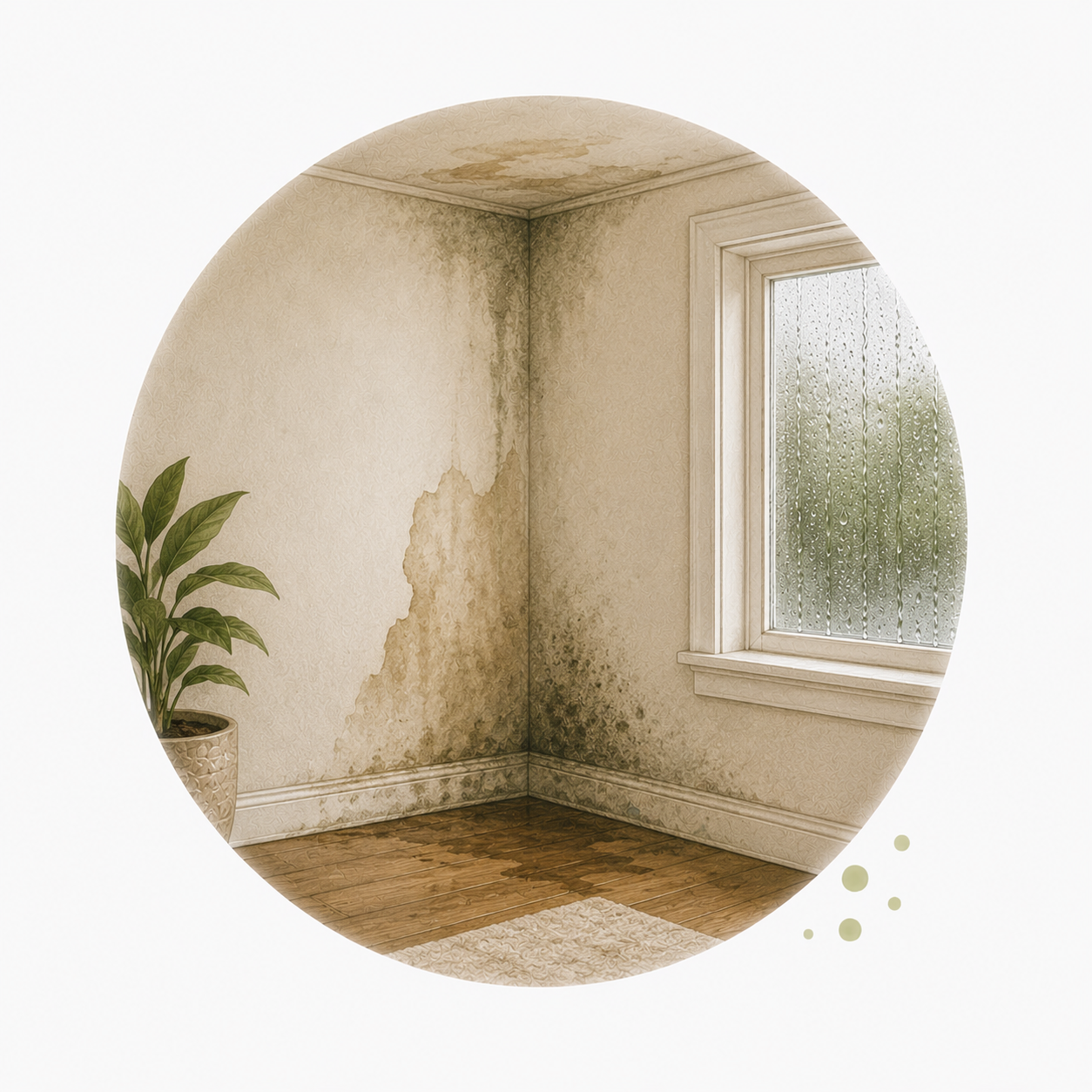
Frequent rainfall and moisture exposure in Jacksonville homes can lead to stains or discoloration on walls and ceilings. These visible signs often indicate underlying moisture problems that may be contributing to musty odors.

Allergy symptoms that worsen indoors
In Jacksonville, elevated humidity levels can allow mold spores and allergens to remain active in indoor air. If symptoms worsen inside the home, it may point to a moisture or mold-related air quality issue.
If the odor keeps returning, the next step is usually finding the moisture source rather than only treating the smell.
Potential Risks of Ignoring the Issue
When a musty smell is caused by hidden moisture, ignoring the odor may allow the underlying problem to continue. Possible issues include:
Damage to walls, flooring, and structural materials
Higher repair costs as moisture problems spread
Reduced property value during inspections or resale
Additional issues such as poor indoor air quality
The purpose of evaluation is to identify the moisture source before the odor becomes a recurring or more widespread concern.
When to Request a Musty Smell Evaluation
A musty smell evaluation may be appropriate when the odor keeps returning, becomes stronger after rain, or appears connected to humidity, leaks, attics, crawlspaces, or enclosed areas.
The odor returns after cleaning
The smell becomes stronger after rain or humid weather
The odor is strongest near floors, vents, walls, attics, or crawlspaces
Moisture stains or damp materials are present
The evaluation can help determine whether the odor is related to hidden moisture, ventilation, water damage, mold growth, or another moisture-related condition.
How Musty Odors and Hidden Moisture Are Typically Addressed
Addressing a musty smell usually starts with finding the hidden moisture source rather than treating the odor alone. In Jacksonville homes, recurring odors may be connected to humidity, water intrusion, crawlspace moisture, attic conditions, plumbing leaks, or damp materials behind walls or flooring.
Locating the Source of the Odor
A musty smell may come from areas that are not immediately visible. Walls, floors, vents, attics, crawlspaces, closets, and HVAC-connected areas may need to be reviewed when odors return after cleaning or become stronger after rain.
Checking for Hidden Moisture or Water Damage
Hidden moisture can remain inside building materials long after a leak, storm, or humidity problem appears to be resolved. Moisture readings, visual review, and inspection of high-risk areas can help determine whether water damage or mold-related conditions are involved.
Addressing Mold, Mildew, or Damp Materials
If the odor is connected to mold, mildew, or moisture-damaged materials, the affected areas may need drying, cleaning, remediation, or material removal. The right approach depends on how long the moisture has been present and whether the issue is localized or spreading.
Improving Ventilation and Moisture Control
Musty odors often return when humidity and airflow problems are not corrected. Improving ventilation, repairing leaks, reducing indoor humidity, or addressing crawlspace and attic moisture can help reduce recurring odor concerns in Jacksonville homes.
The goal is to trace the odor back to the moisture source and determine whether inspection, testing, remediation, or water damage restoration may be appropriate.
Cost Considerations
The cost of addressing a musty smell depends on whether the odor is connected to hidden moisture, mold growth, water damage, attic conditions, crawlspace humidity, or ventilation problems. Factors may include:
Severity and scope of the problem
Accessibility of hidden moisture sources
Property size and affected areas
Materials and systems required
For a detailed breakdown of pricing in Jacksonville, see the guide below.
Helpful Resources for Musty Odors and Hidden Moisture
A musty smell can point to several different moisture problems, including hidden mold, crawlspace humidity, attic moisture, or water damage. These resources can help narrow the next step.

In Jacksonville, persistent musty odors are often linked to hidden mold growth caused by ongoing humidity and moisture exposure. Mold remediation helps remove contamination and address the underlying source of the smell.
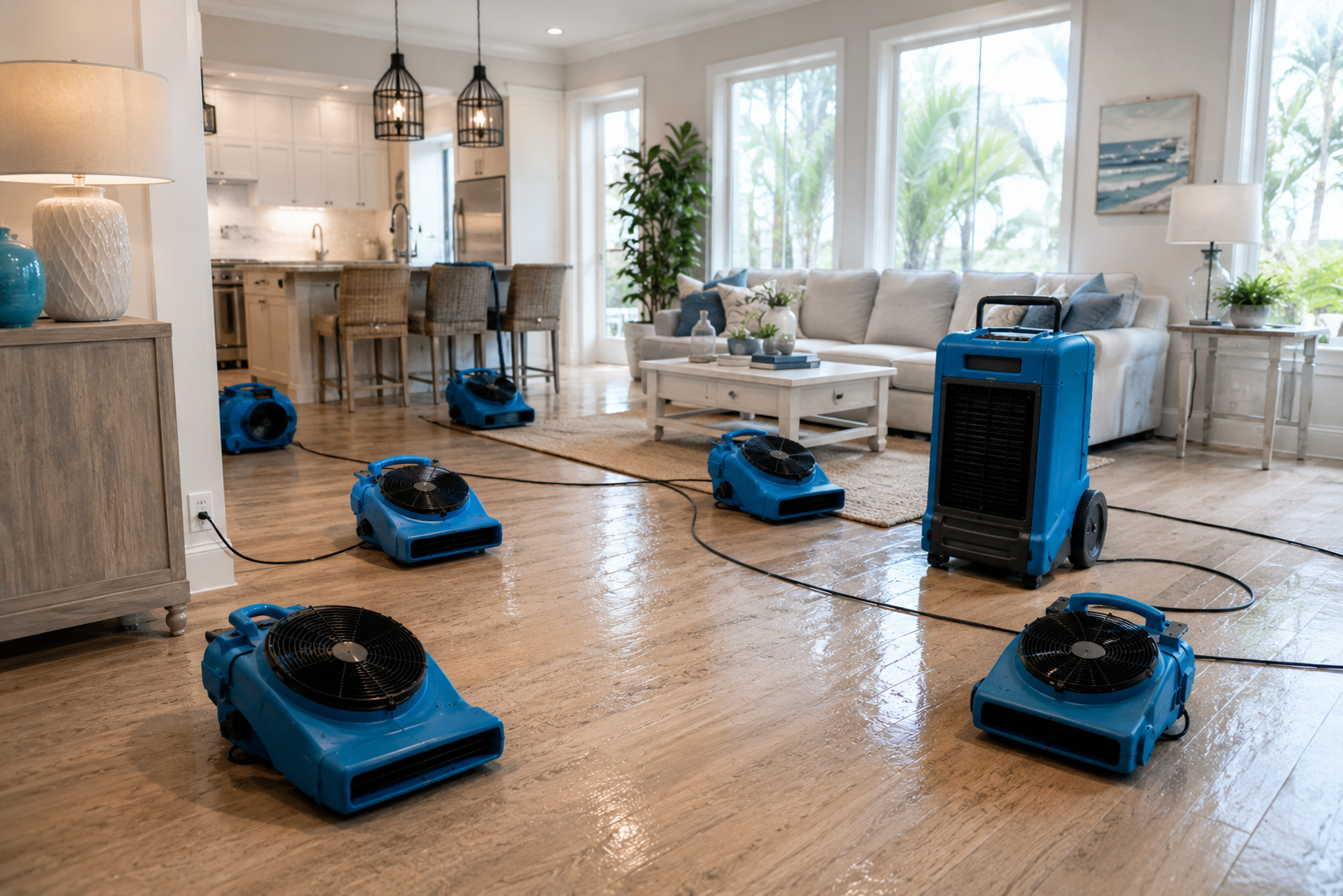
Leaks, storms, and excess moisture are common causes of musty odors in Jacksonville homes. Water damage restoration helps eliminate moisture sources and reduce the conditions that allow odors to persist.
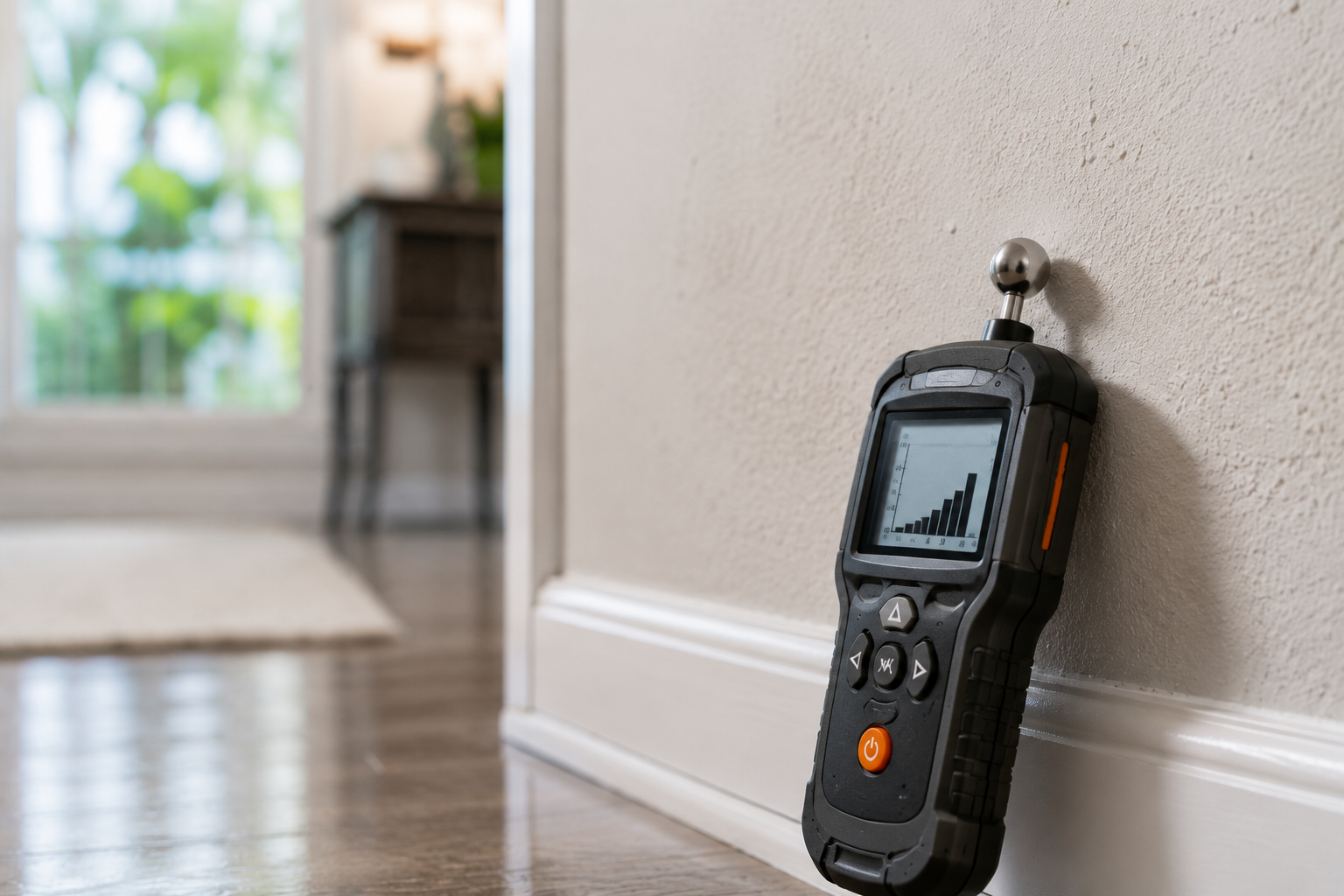
Musty smells in Jacksonville homes are frequently caused by hidden moisture in walls, crawlspaces, or attics. Mold inspection helps identify the source of the odor and determine whether mold is present.

In Jacksonville’s humid climate, odors can develop even when mold isn’t immediately visible. Mold testing helps confirm whether airborne spores or hidden contamination are contributing to the issue.
Request a Musty Smell Evaluation in Jacksonville
If a musty smell keeps returning, becomes stronger after rain, or appears near walls, flooring, vents, attics, or crawlspaces, requesting an evaluation can help clarify the next step.
Include where the concern is located, when you first noticed it, whether there has been recent water intrusion, and any visible staining, odors, damp materials, or humidity issues.
Connect With a Local Mold Professional
A persistent musty smell in a Jacksonville home may be connected to hidden moisture, poor ventilation, crawlspace humidity, attic issues, or past water intrusion. Describe where the odor is strongest and whether it changes after rain or humid weather so a qualified local mold professional can help review the next step.
Request an Estimate
Thanks for contacting us! We will be in touch with you shortly.
Please try again later.
Musty Smell FAQs for Jacksonville Homes
Is a persistent musty smell common in Jacksonville homes?
A persistent musty smell can be a common concern in Jacksonville homes because high humidity, frequent rainfall, and seasonal storms can allow moisture to linger indoors. Enclosed areas such as attics, crawlspaces, wall cavities, closets, and spaces beneath flooring may be especially vulnerable when airflow is limited.
What usually causes a musty smell in a house?
Common causes include hidden moisture, mold growth, plumbing leaks, roof leaks, poor ventilation, damp insulation, wet carpeting, or water intrusion after heavy rainfall. In Jacksonville, the odor may develop gradually when humidity or moisture is trapped in areas that do not dry properly.
Can heavy rainfall or storm damage cause a musty odor indoors?
Yes. Heavy rainfall, tropical storms, wind-driven rain, roof damage, plumbing failures, or localized flooding can introduce moisture into walls, ceilings, flooring, crawlspaces, and attics. When affected materials remain damp, they may contribute to lingering odors and conditions that support mold growth.
Does a musty smell always mean there is mold?
Not always. A musty odor can be caused by excess humidity, damp materials, ventilation issues, or other moisture-related conditions. However, when the smell persists, returns after cleaning, or appears alongside staining, condensation, or visible moisture, a professional mold inspection may help identify the source.
When should I request an evaluation for a musty smell?
Consider requesting an evaluation when the odor continues for more than a short period, worsens after rain, returns repeatedly, or is accompanied by visible staining, moisture damage, high indoor humidity, or concerns in attics, crawlspaces, or other enclosed areas. An assessment can help determine whether the issue is related to hidden moisture, water damage, ventilation, or possible mold growth.