Mold in Crawlspace Jacksonville, FL
Crawlspace Mold, Drainage Problems, and Hidden Moisture Below the Home
If you are noticing musty odors, damp floors, crawlspace moisture, or humidity rising from beneath your Jacksonville home, a qualified local mold professional can help evaluate the cause. Heavy rainfall, sandy soil, poor drainage, limited airflow, plumbing leaks, and storm-related water intrusion can all create crawlspace conditions where inspection, water damage restoration, or help from a licensed mold remediation professional may be appropriate.
In Jacksonville homes with crawlspaces, mold concerns are often connected to humid air beneath the structure, poor drainage, sandy soil, plumbing leaks, limited airflow, or storm-related water intrusion.
This page explains how crawlspace humidity, drainage problems, sandy soil, limited airflow, and water intrusion can contribute to mold beneath Jacksonville homes.
If you’re unsure how serious the issue is, reviewing the differences between
mold inspection vs mold testing can help determine the right next step.
What Causes Crawlspace Mold?
Crawlspace mold usually develops when moisture collects beneath the home and airflow is not strong enough to dry the area. Common contributors include:
Poor drainage or water pooling around the foundation
High humidity levels that allow moisture to remain trapped
Limited airflow or ventilation in crawlspace areas
Plumbing leaks or storm-related water intrusion
Crawlspace issues can remain hidden until odors, damp floors, or indoor humidity make the problem more noticeable.
How Jacksonville Conditions Affect Crawlspace Mold
Jacksonville crawlspaces are often vulnerable to ongoing moisture problems because of year-round humidity, frequent rainfall, and construction conditions that make it difficult for damp air to escape. When moisture rises from the ground, enters from outside, or remains trapped in a poorly ventilated crawlspace, conditions can develop that support mold growth on wood framing, insulation, subflooring, and other materials below the home.
High Year-Round Humidity That Keeps Crawlspaces Damp
Jacksonville’s humid subtropical climate, warm temperatures, and frequent moisture in the air can keep crawlspaces damp throughout much of the year. When moisture from the ground evaporates into the crawlspace and combines with humid outdoor air, damp conditions can persist and create an environment where mold may begin to grow.
This can contribute to:
- Humid air and warm temperatures keeping crawlspaces damp
- Moisture from the ground evaporating into the crawlspace
- Frequent rainfall and high outdoor humidity adding to the moisture load
- Conditions that may support mold growth below the home
Frequent Storms and Heavy Rainfall That Saturate the Soil
Jacksonville’s frequent storms and heavy rainfall can saturate the soil around a home and increase the amount of moisture moving toward the crawlspace. When rainwater soaks into the ground and moisture begins to migrate beneath the structure, the crawlspace can stay wet for long periods and create conditions that support mold growth.
Common crawlspace moisture concerns include:
- Storms and heavy rainfall soaking the ground around the home
- Saturated soil increasing moisture beneath the structure
- Moisture migrating into the crawlspace after extended wet weather
- Damp conditions that may support mold growth and ongoing crawlspace problems
Homes With Crawlspace Construction That Limit Airflow and Trap Moisture
Some Jacksonville homes have crawlspace designs with limited vents, enclosed areas, or restricted airflow that make it harder for moisture to escape. When stagnant air becomes trapped and damp conditions linger below the home, the crawlspace can remain wet and develop the kind of environment where mold is more likely to grow.
This may lead to:
- Limited vents restricting airflow through the crawlspace
- Stagnant air becoming trapped below the home
- Enclosed crawlspace conditions holding moisture in place
- Damp conditions that may increase the risk of mold growth
These conditions make crawlspaces especially important to evaluate when there are musty odors, high indoor humidity, signs of water intrusion, or concerns about hidden mold beneath the home.
Warning Signs to Watch For
Crawlspace mold concerns may be worth investigating when odors, damp floors, visible moisture, or indoor humidity appear to come from below the home.
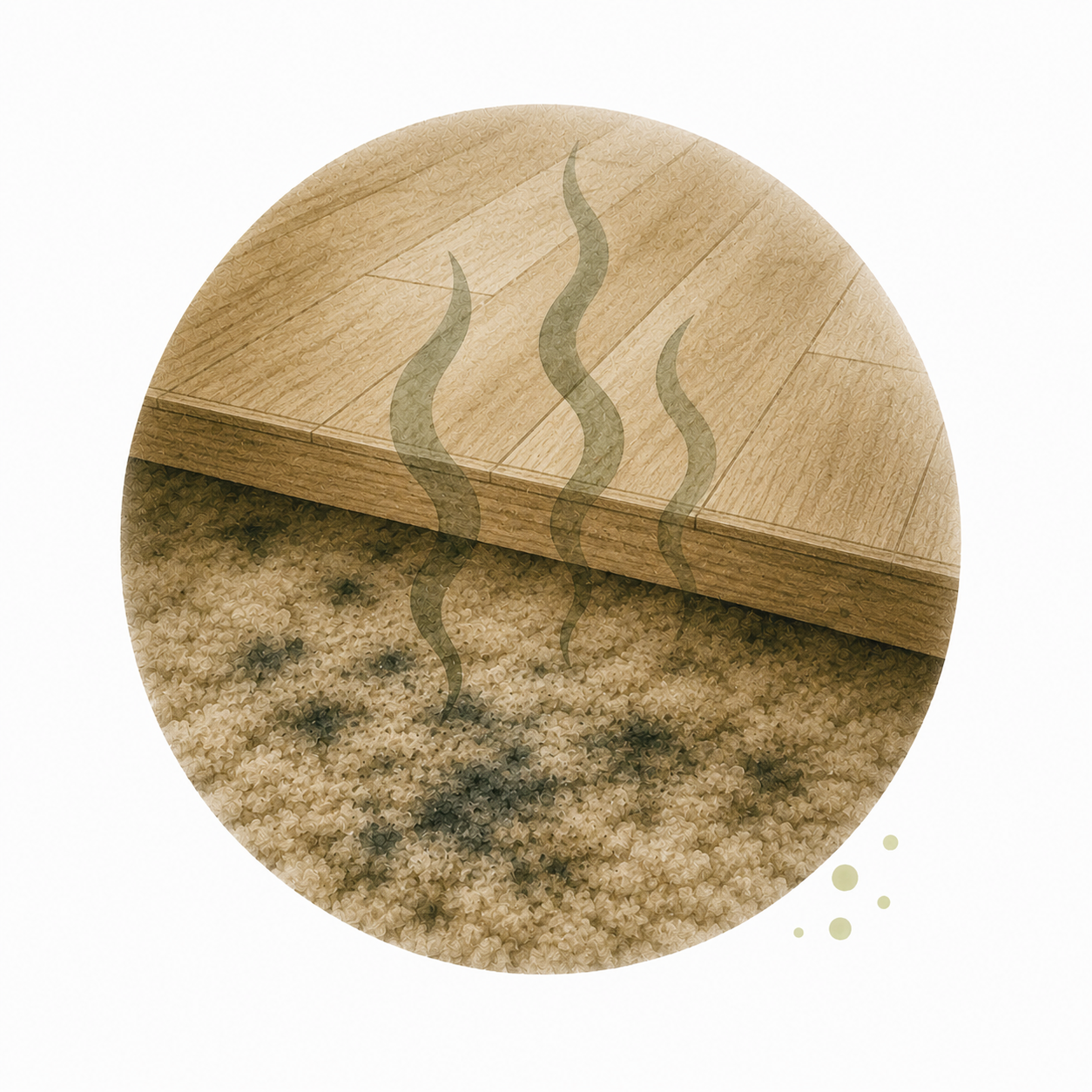
Musty odors coming from floors or lower levels of the home
In Jacksonville’s humid climate, moisture in crawlspaces can easily become trapped beneath the home, allowing mold-related odors to rise into living areas. A persistent musty smell is often one of the first signs of hidden mold growth below the structure.

Damp or humid conditions in crawlspace areas
High humidity levels in Jacksonville, combined with limited airflow under homes, can keep crawlspaces consistently damp. These conditions create an ideal environment for mold to develop and spread over time.
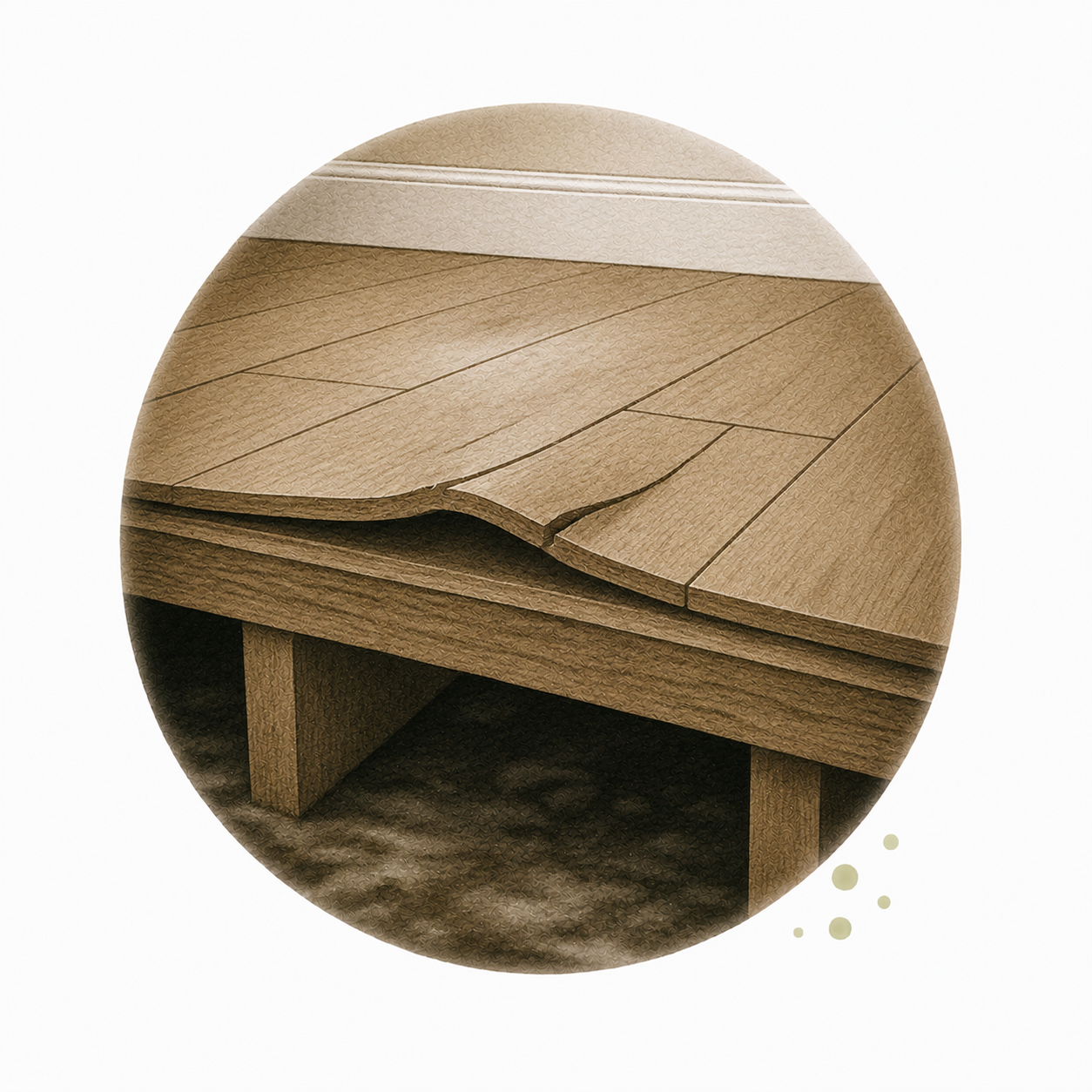
Warping or damage to flooring above the crawlspace
Excess moisture beneath the home in Jacksonville can affect the structural components above, leading to warped flooring or soft spots. This often indicates prolonged exposure to damp conditions that may be supporting mold growth.

Increased indoor humidity or condensation
Moisture from crawlspaces in Jacksonville homes can migrate upward into living spaces, raising indoor humidity levels. This can lead to condensation issues and signal a larger moisture problem originating below the home.
If these signs appear near floors or lower areas of the home, crawlspace moisture should be reviewed before the issue spreads into living areas.
Potential Risks of Ignoring the Issue
When crawlspace moisture or mold is left unresolved, the issue may affect the subfloor, lower walls, indoor humidity, or air movement into the living space. Possible issues include:
Structural damage to wood beams and subflooring
Higher repair costs as moisture and mold spread
Reduced property value, especially during inspections
Additional issues such as poor indoor air quality
Reviewing the crawlspace early can help determine whether drainage, ventilation, water damage restoration, or mold remediation may be needed.
When to Request a Crawlspace Mold Evaluation
A crawlspace mold evaluation may be appropriate when musty odors, damp floors, standing moisture, poor airflow, or drainage problems appear below the home.
Musty odors rise from lower areas
Floors feel damp, soft, or warped
Drainage or standing water is visible near the foundation
Crawlspace ventilation or humidity remains a concern
The evaluation can help determine whether the concern is related to crawlspace humidity, drainage, ventilation, water intrusion, or affected materials beneath the structure.
How Crawlspace Mold and Moisture Problems Are Typically Addressed
Addressing crawlspace mold usually starts with reviewing moisture below the home, drainage around the foundation, airflow, and affected materials. In Jacksonville, crawlspaces can be affected by humid air, sandy soil, heavy rainfall, poor drainage, and limited ventilation.
Reviewing Drainage and Ground Moisture
Crawlspace moisture often begins outside or below the home. Heavy rainfall, saturated soil, poor grading, foundation drainage issues, or plumbing leaks can allow moisture to collect beneath the structure.
Improving Crawlspace Ventilation and Moisture Control
Poor airflow can allow humid air to remain trapped below the home. Depending on the crawlspace conditions, moisture-control steps may involve improving airflow, reducing ground moisture, sealing problem areas, or correcting drainage concerns.
Addressing Affected Wood, Insulation, and Subfloor Materials
When mold or moisture affects crawlspace materials, the condition of wood framing, insulation, subflooring, and nearby surfaces should be reviewed. Affected areas may need drying, cleaning, remediation, or material replacement depending on the severity.
Reducing Moisture Transfer Into the Home
Crawlspace moisture can contribute to musty odors, damp floors, and humidity concerns inside the living area. Addressing the crawlspace can help reduce moisture movement from below the home into indoor spaces.
The goal is to identify how moisture is entering or staying trapped in the crawlspace and address both the mold concern and the conditions below the home.
Cost Considerations
The cost of addressing crawlspace mold depends on access below the home, drainage conditions, ventilation, affected materials, and whether moisture-control or remediation work is needed. Factors may include:
Severity and scope of the contamination
Complexity of drainage or ventilation solutions
Property size and crawlspace accessibility
Materials and remediation methods required
For a detailed breakdown of pricing in Jacksonville, see the guide below.
Helpful Resources for Crawlspace Mold and Moisture Problems
Crawlspace mold concerns often overlap with drainage, water intrusion, indoor air quality, inspection needs, and remediation planning. These resources can help you review related next steps.

In Jacksonville, crawlspace mold often develops due to trapped moisture from humid air and poor drainage around the foundation. Mold remediation helps remove contamination and address these underlying conditions before they impact the rest of the home.
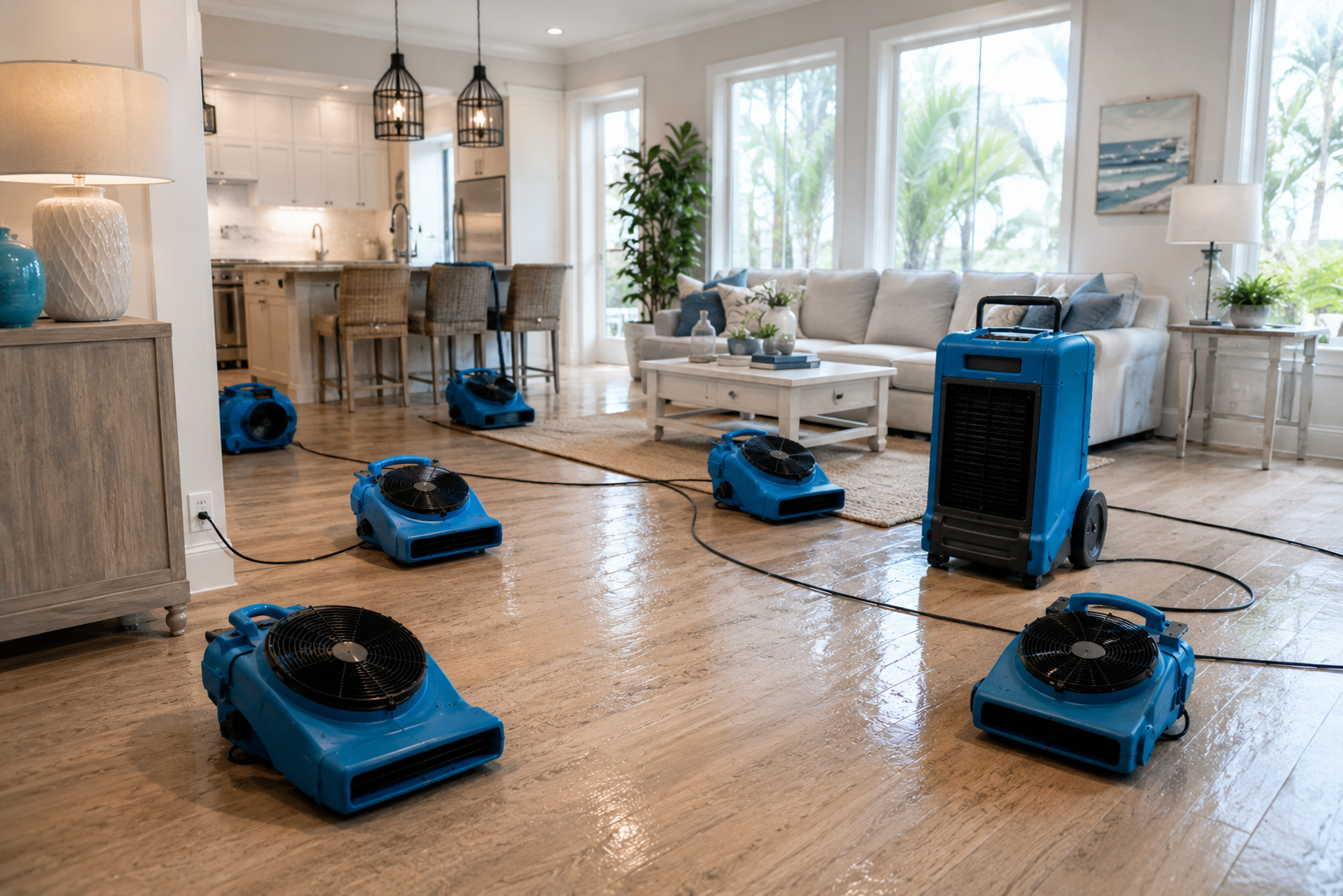
Water intrusion from storms, poor drainage, or plumbing issues is a common cause of crawlspace mold in Jacksonville. Water damage restoration helps remove excess moisture and reduce the risk of ongoing mold growth.
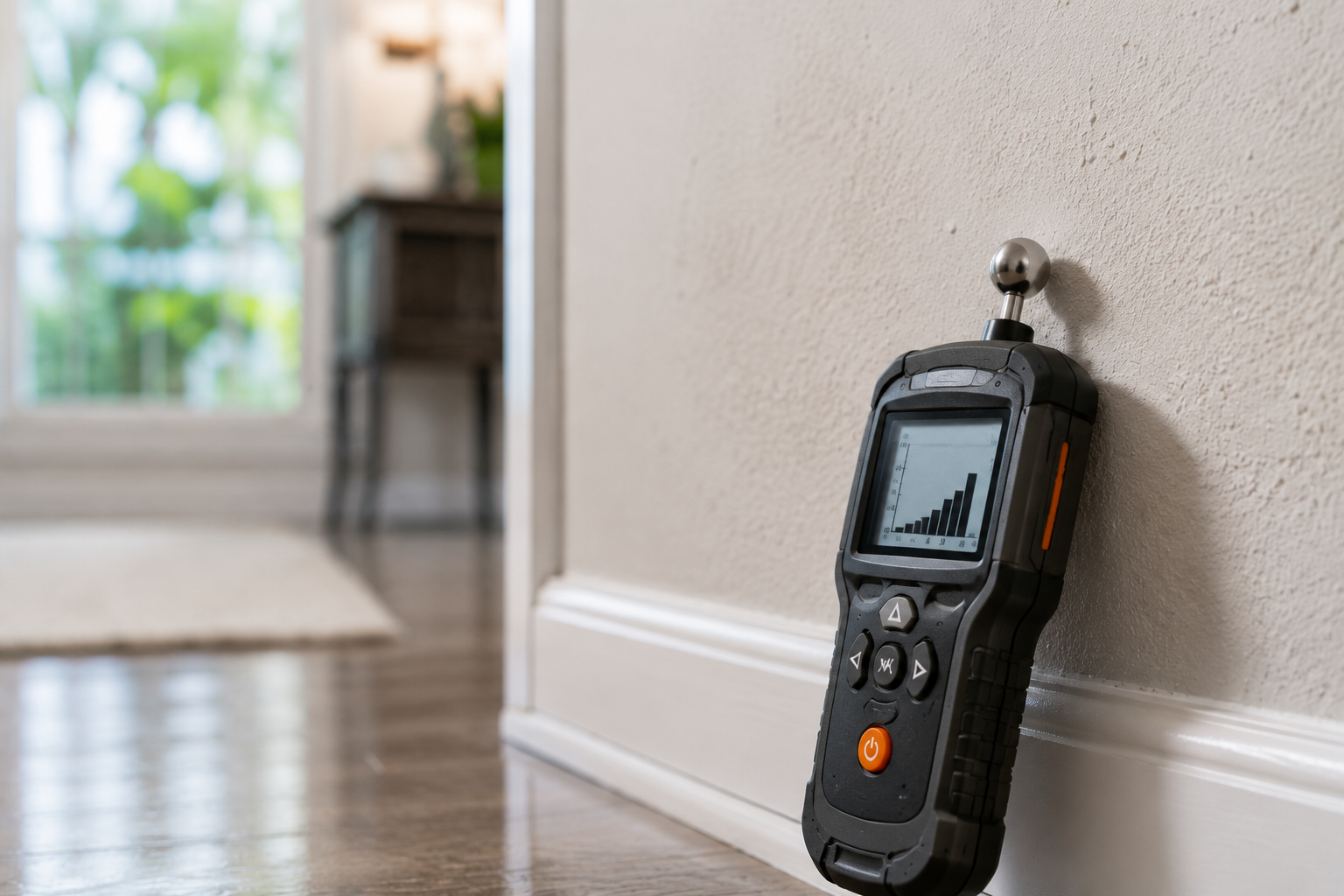
Jacksonville homes frequently experience hidden moisture buildup beneath the structure, especially after heavy rainfall. Mold inspection helps identify crawlspace issues early and locate the source of moisture causing the problem.

In Jacksonville’s humid environment, crawlspace mold can spread without being immediately visible inside the home. Mold testing may help provide additional information when hidden mold, indoor air quality concerns, or unclear moisture conditions need further review.
Request a Crawlspace Mold Evaluation in Jacksonville
If you are noticing musty odors from lower areas, damp floors, crawlspace moisture, drainage problems, or humidity beneath the home, requesting an evaluation can help clarify the next step.
Include where the concern is located, when you first noticed it, whether there has been recent water intrusion, and any visible staining, odors, damp materials, or humidity issues.
Connect With a Local Mold Professional
Crawlspace mold concerns in Jacksonville are often tied to humidity, drainage problems, limited airflow, or moisture beneath the home. Share what you are seeing or smelling so a qualified local mold professional can help assess whether further evaluation is needed.
Request an Estimate
Thanks for contacting us! We will be in touch with you shortly.
Please try again later.
Crawlspace Mold FAQs for Jacksonville Homes
Is crawlspace mold common in Jacksonville homes?
Crawlspace mold can be a common concern in Jacksonville because high humidity, heavy rainfall, and year-round moisture exposure can allow damp conditions to develop beneath a home. Properties with limited crawlspace ventilation, drainage issues, or recurring moisture intrusion may be especially vulnerable.
What causes mold to grow in a crawlspace?
Common causes include excess ground moisture, poor drainage, plumbing leaks, storm-related water intrusion, inadequate ventilation, and humid air becoming trapped beneath the home. In Jacksonville, these conditions can allow wood framing, insulation, and subfloor materials to remain damp long enough for mold growth to develop.
Can heavy rainfall or flooding affect a crawlspace?
Yes. Heavy rainfall, tropical storms, localized flooding, and poor water drainage can all allow moisture to collect around or beneath a home's foundation. When water enters or lingers in the crawlspace, it can create conditions that support mold growth and long-term moisture problems.
Can crawlspace mold affect the rest of the home?
In many cases, yes. Moisture and mold-related odors from the crawlspace can affect indoor air quality and may circulate upward into the living areas of the home. Signs such as musty odors, elevated indoor humidity, or moisture-related concerns inside the property may indicate the crawlspace should be evaluated.
When should I request a crawlspace mold evaluation?
Consider requesting an evaluation if you notice musty odors, visible moisture, standing water, damp insulation, wood staining, or recurring humidity concerns inside the home. An assessment can help determine whether crawlspace ventilation, drainage issues, water intrusion, or mold growth are contributing to the problem.