Mold Remediation in Jacksonville, FL
Mold Remediation for Contamination, Moisture, and Water-Damage Problems
When you need mold remediation, choosing a provider familiar with Jacksonville’s conditions is critical. Local factors like high humidity, frequent storms, and moisture-prone building environments can directly impact how effective a solution will be. Our goal is to connect homeowners and property managers with experienced licensed mold remediation professionals who specialize in safe mold removal and long-term moisture control — done correctly the first time.
In more advanced cases, widespread contamination can occur — learn more about indoor mold growth and how it develops.
Before remediation begins, it’s often helpful to understand the difference between mold inspection and mold testing.
What the Mold Remediation Service Addresses
Mold remediation may be appropriate when visible mold, moisture-damaged materials, or recurring musty odors suggest that contamination has moved beyond a small surface concern.
Visible mold growth on walls, ceilings, or other surfaces
Musty odors and poor indoor air quality
Mold caused by water damage, leaks, or high humidity
Hidden mold growth in attics, crawlspaces, or HVAC systems
In Jacksonville properties, remediation should focus on both the affected materials and the moisture conditions that allowed the growth to develop.
This service is commonly used to address issues such as musty smell in the home, black mold growth caused by moisture and humidity, or to address issues such as crawlspace mold caused by moisture and poor drainage.
Our Approach to Mold Remediation
A mold remediation project usually begins with identifying the affected areas, reviewing moisture conditions, and planning containment before cleaning or removal begins.
01
Affected-Area and Moisture Review
The technician assesses visible mold growth, moisture sources, affected materials, and overall property conditions to determine the scope of work.
02
Remediation Scope and Containment Plan
The remediation scope is based on the affected materials, access conditions, moisture source, and whether containment, removal, drying, or cleaning is needed.
03
Containment, Cleaning, and Material Removal
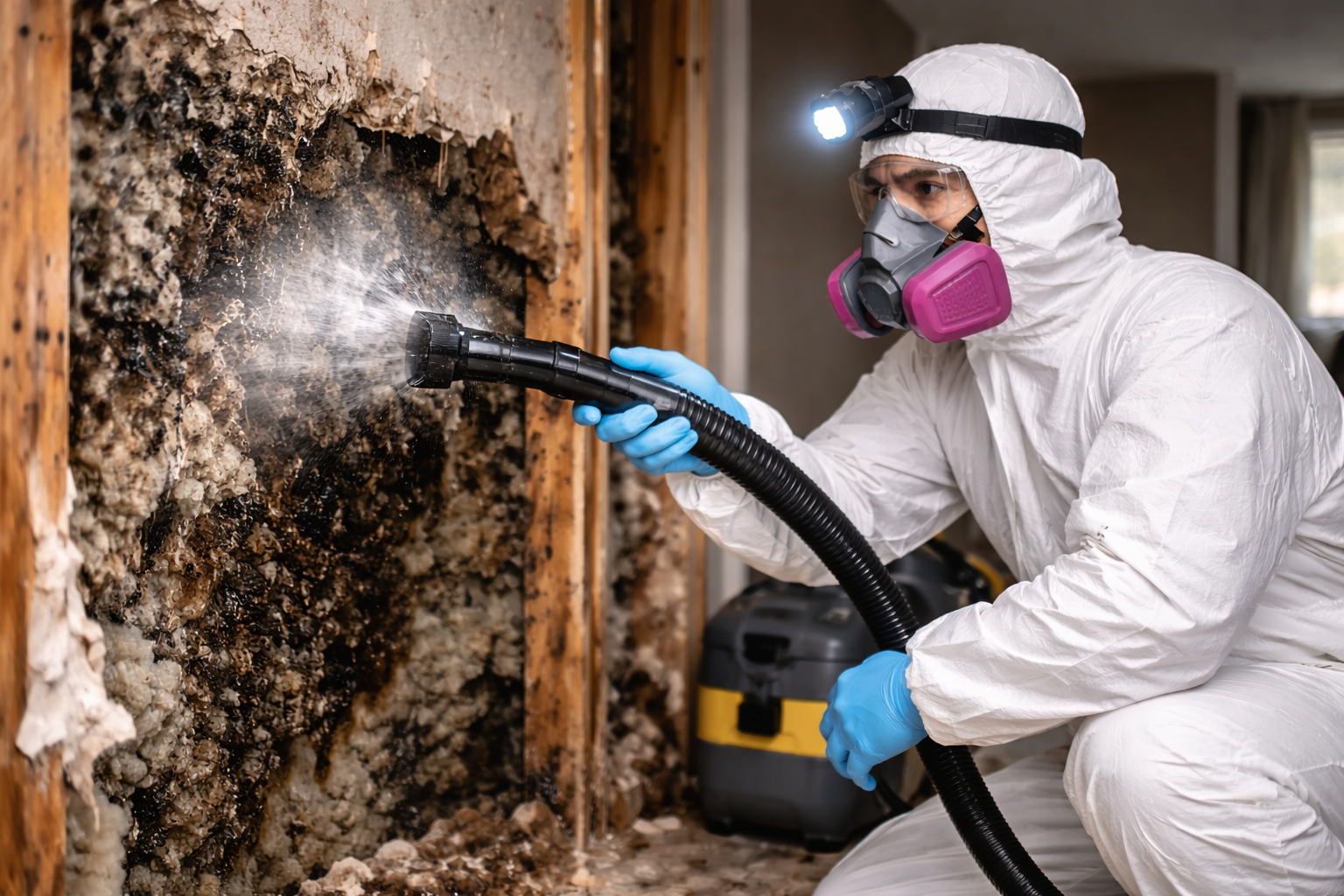
Mold is safely contained and removed using specialized equipment and proven remediation techniques appropriate for humid, moisture-prone environments.
04
Drying and Post-Remediation Review
The treated areas are evaluated to confirm mold has been effectively removed and that indoor air quality and moisture conditions have been reviewed and remaining concerns are addressed.
05
Moisture-Control Recommendations
Property owners receive guidance on moisture control, ventilation, and maintenance practices to help reduce the likelihood of future mold growth.
How Local Conditions Affect Mold Remediation in Jacksonville
Jacksonville’s humidity, rainfall, storm exposure, and moisture-prone property conditions can influence the scope of mold remediation work.
High Humidity and Recurring Moisture
Storms, Heavy Rainfall, and Water Intrusion
Attics, Crawlspaces, and Ventilation Challenges
Moisture Control and Property Conditions
These local conditions make it important to address the source of moisture along with the visible mold growth or affected materials.
When to Request Mold Remediation
Mold remediation may be appropriate when mold growth is visible, materials are affected, or moisture has allowed contamination to spread beyond a small surface area.
Visible mold growth on walls, ceilings, or other surfaces
Persistent musty odors or poor indoor air quality
Signs of water damage, leaks, or excess humidity
Recent events such as storms, flooding, or plumbing issues
When the source or extent is unclear, mold inspection or testing may be useful before remediation begins.
Mold remediation is an important step in addressing mold growth caused by moisture, water damage, or high humidity. In areas like Jacksonville Beach, where coastal conditions can contribute to persistent moisture issues, professional remediation helps remove contamination safely and address the underlying cause.
Related Services That Support Mold Remediation
Mold remediation is often connected to inspection, testing, or water damage restoration when the source, scope, or moisture history needs further review.
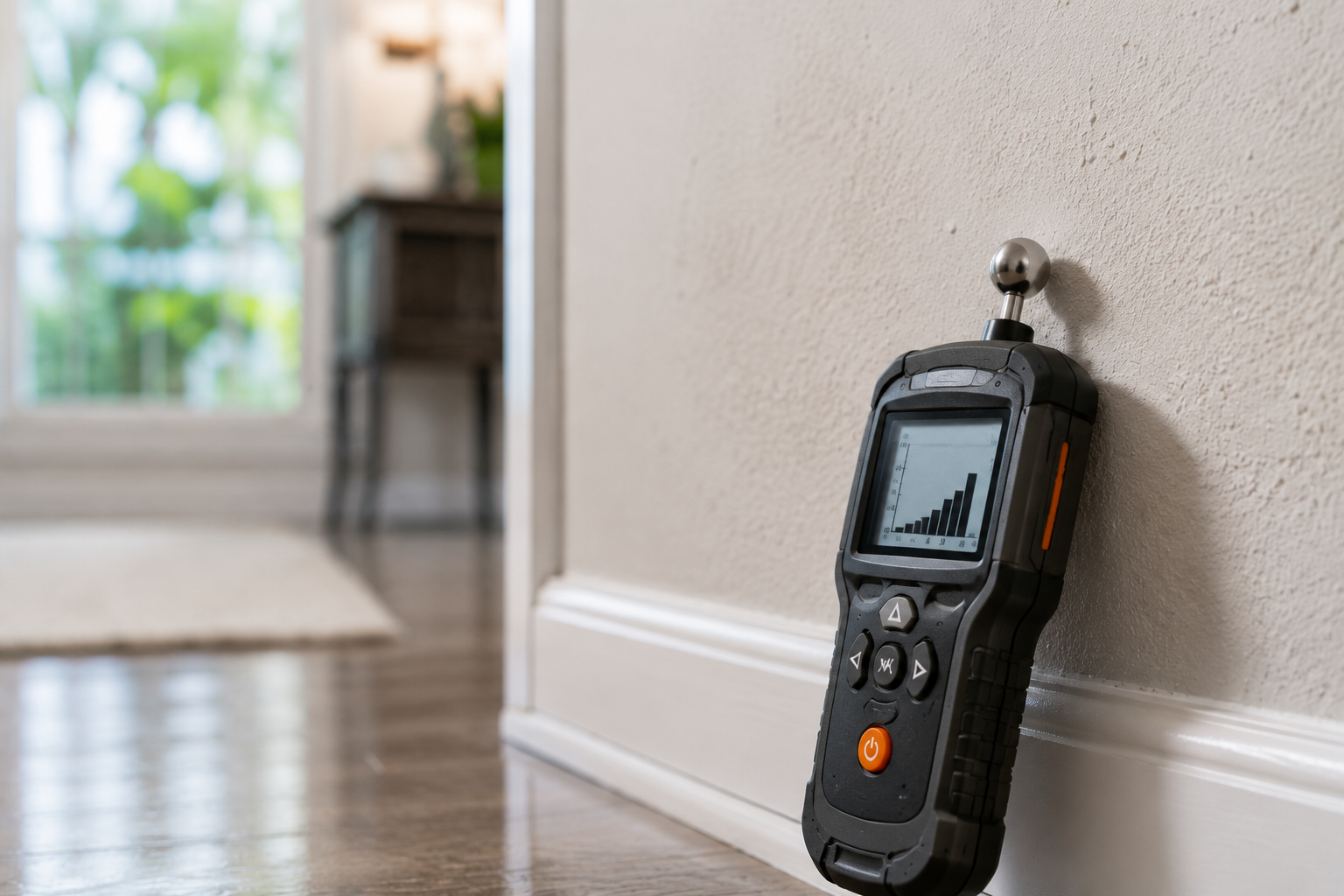
In Jacksonville, high humidity and hidden moisture issues can allow mold to spread unnoticed. Mold inspection helps identify affected areas and determine the source of the problem before remediation begins.

Mold testing may provide additional information when indoor air quality or hidden contamination concerns need clarification.
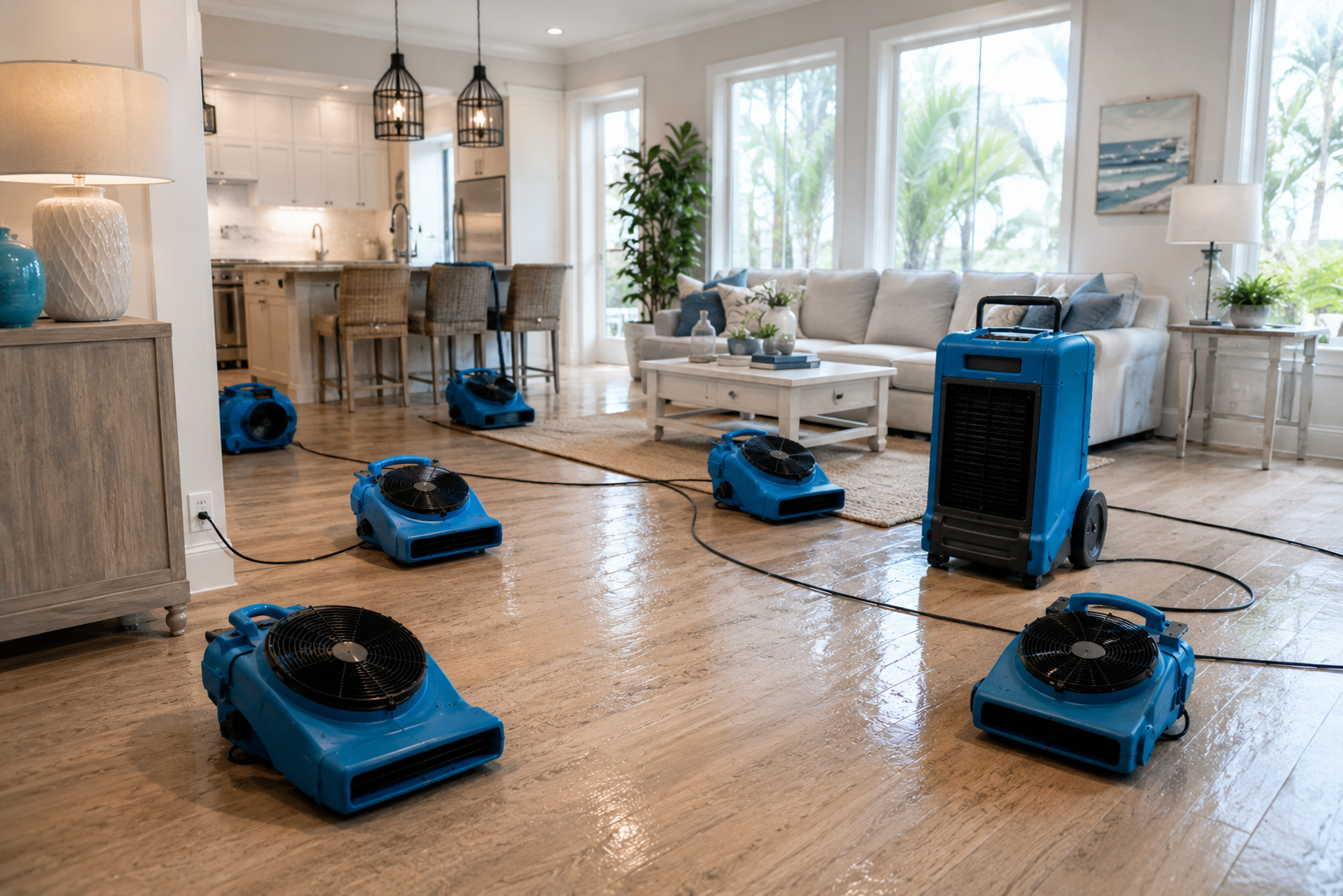
Frequent storms and heavy rainfall in Jacksonville can lead to leaks and moisture intrusion inside a property. Water damage restoration helps dry affected areas quickly and reduce the risk of mold growth spreading further.
Common Mold Remediation Situations
Mold remediation needs can vary depending on where growth is found, how moisture entered the property, and whether affected materials can be cleaned, dried, or need removal.
Attic and crawlspace mold remediation
Black mold removal and containment
Water damage-related mold cleanup and mitigation
Moisture control solutions and preventative treatments
The remediation scope should reflect the affected area, moisture source, access conditions, and whether attic, crawlspace, wall, or flooring materials are involved.
Cost Factors for Mold Remediation
Project costs vary depending on:
Scope of work required
Accessibility of the affected areas
Equipment and materials needed for safe containment and removal
Any inspection or testing requirements
Complexity of the remediation and moisture control solutions
LOCAL ESTIMATE RANGE
$500 - $6,000*
*Requires on-site evaluation for accurate pricing
Helpful Mold and Moisture Resources Before Requesting an Estimate
Before requesting a mold remediation estimate, it can be helpful to review whether the concern also involves hidden moisture, inspection needs, testing questions, water damage, or cost factors. These resources can help clarify the right next step for a Jacksonville property.
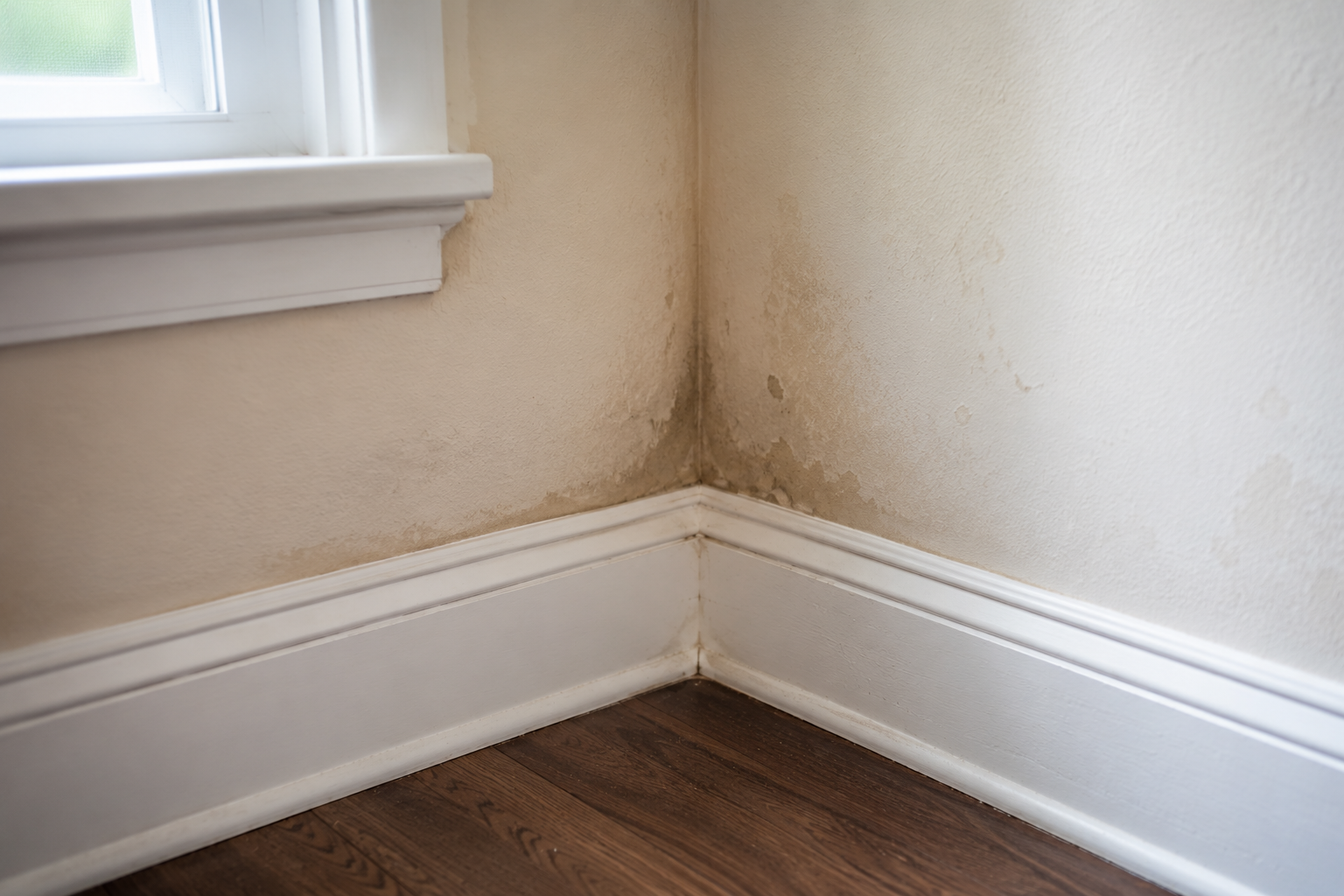
If the source or extent of the mold problem is unclear, a mold inspection can help identify moisture sources, affected areas, and hidden concerns before remediation begins. This is often a useful first step for Jacksonville homes affected by humidity, leaks, or storm-related water intrusion.

Mold testing may be helpful when additional information is needed about suspected mold, indoor air quality concerns, or contamination that is not clearly visible. Testing can support the decision-making process when odors, moisture history, or hidden growth concerns require more clarity.
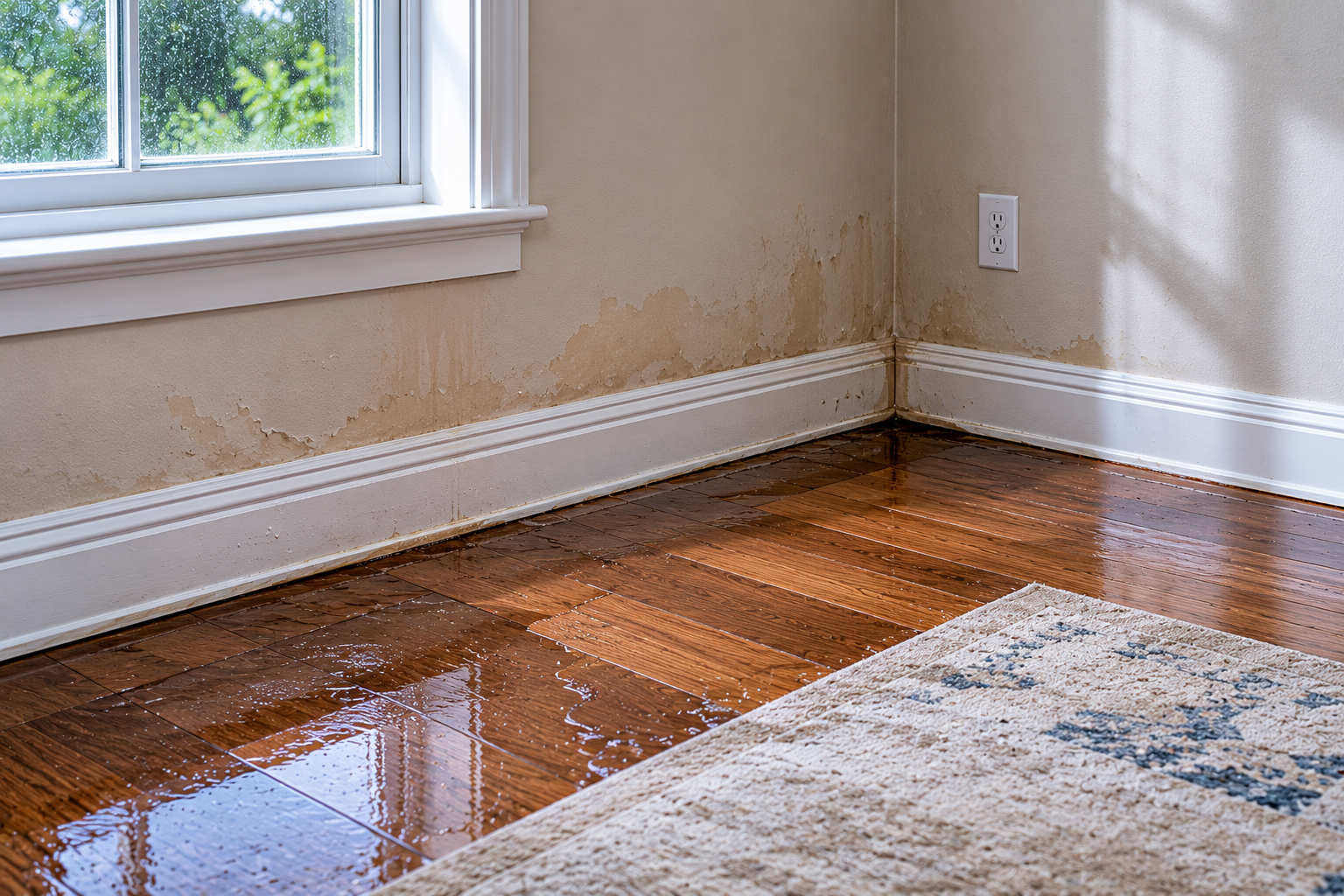
Mold problems are often connected to leaks, flooding, heavy rainfall, or moisture that was not dried properly. Water damage restoration can help address active moisture conditions before or alongside mold remediation.

Costs can vary depending on the affected area, access, materials, hidden moisture, and whether attics, crawlspaces, walls, or flooring are involved. Reviewing the cost guide can help you understand the factors that may influence a property-specific estimate.
Mold Remediation Services in Jacksonville and Nearby Northeast Florida Areas
Mold remediation needs can vary across Northeast Florida depending on humidity, rainfall, coastal exposure, drainage, property layout, and past water intrusion. Service information is available for Jacksonville-area communities including:
We help connect property owners across Jacksonville, Duval County, Clay County, St. Johns County, and nearby Northeast Florida communities with mold remediation support for moisture-related contamination, water-damaged materials, attic mold, crawlspace mold, and indoor air quality concerns.
Request a Mold Remediation Estimate
If you are dealing with visible mold, musty odors, water-damaged materials, or recurring moisture concerns, requesting an evaluation can help clarify the next step. A licensed mold remediation professional can review whether remediation, inspection, testing, or water damage restoration may be appropriate.
Call us now or use the Form below to Get Started.
Thanks for contacting us! We will be in touch with you shortly.
Please try again later.
Yes, many concrete driveways can be widened or extended, depending on the available space, property layout, drainage conditions, and any applicable HOA or municipal requirements. A driveway extension may help add parking, improve vehicle access, create a better garage transition, or make the driveway more practical for daily use.
Before widening or extending a driveway, the existing surface, base conditions, slope, runoff, landscaping, and connection to the street or garage should be reviewed. In some cases, the new section can be planned to blend with the existing driveway, while other properties may benefit from a larger replacement or layout change.
Mold Remediation FAQs for Jacksonville Properties
When is mold remediation needed?
Mold remediation may be needed when visible mold growth, musty odors, water damage, or recurring moisture problems suggest that contamination has spread beyond a small surface issue. In Jacksonville properties, humidity, heavy rainfall, plumbing leaks, roof leaks, and moisture in attics or crawlspaces can all contribute to mold growth that may require professional evaluation.
What does mold remediation usually involve?
A mold remediation project typically begins with evaluating the affected area, identifying the moisture source, containing the work area, removing or cleaning contaminated materials, and recommending steps to reduce the chance of recurrence. A licensed mold remediation professional can help determine the appropriate scope based on the property conditions and the extent of the issue.
Can mold come back after remediation?
Mold can return if the underlying moisture problem is not addressed. Long-term results often depend on fixing leaks, improving ventilation, drying affected materials, reducing indoor humidity, and addressing water intrusion. In Northeast Florida, ongoing heat, humidity, rain, and drainage issues can make moisture control an important part of the remediation process.
Is mold remediation different from mold removal?
Yes. Mold removal usually refers to removing visible mold, while mold remediation focuses on addressing the contamination and the conditions that allowed it to develop. A qualified local mold professional can evaluate whether the issue is limited to visible growth or connected to deeper moisture problems, water damage, attic mold, crawlspace mold, or indoor air quality concerns.
How do I know if I need a mold remediation contractor or an inspection first?
If the source, extent, or cause of the mold problem is unclear, a mold inspection may be the better first step. If there is obvious contamination, water-damaged material, or a known moisture event, remediation may be appropriate. A mold remediation contractor or licensed mold remediation professional can help determine whether inspection, testing, water damage restoration, or remediation should come first.