Widespread Indoor Mold Growth in Jacksonville, FL
Understanding Why This Happens and When to Take Action
If you are dealing with visible mold, musty odors, water stains, or moisture problems affecting more than one area of your Jacksonville home, a qualified local mold professional can help evaluate the scope of the issue. Widespread indoor mold growth is often connected to hidden moisture, water intrusion, attic or crawlspace humidity, poor ventilation, or damaged materials that may require help from a licensed mold remediation professional.
In Jacksonville, this issue is relatively common due to high humidity, frequent rainfall, and moisture-prone building conditions, which can create an environment where mold can develop and spread over time.
According to the Environmental Protection Agency, mold can begin growing within 24–48 hours of moisture exposure.
This guide explains what causes it, warning signs to watch for, and when professional evaluation may be helpful.
What Causes Widespread Indoor Mold Growth?
Several factors can contribute to this issue, including:
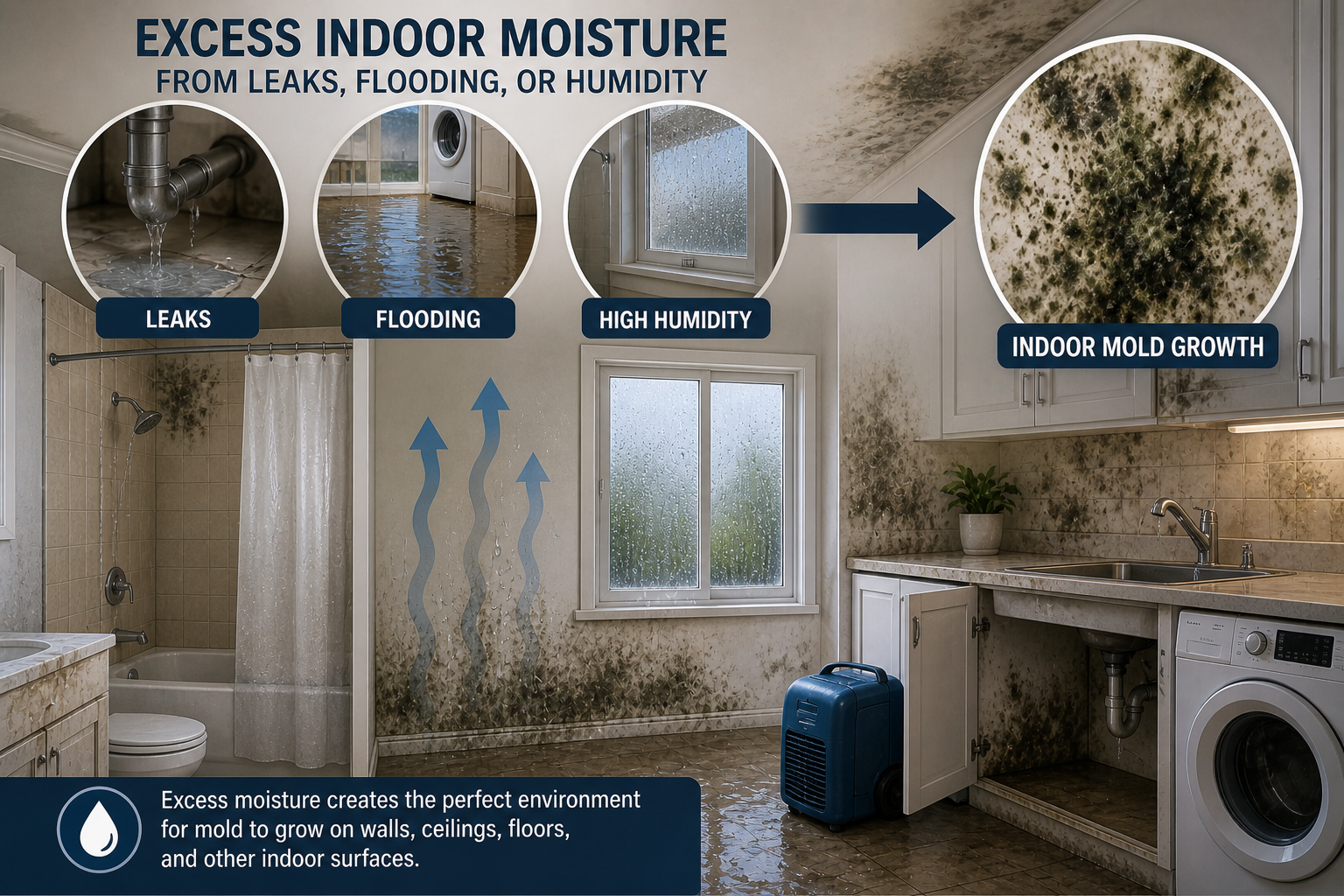
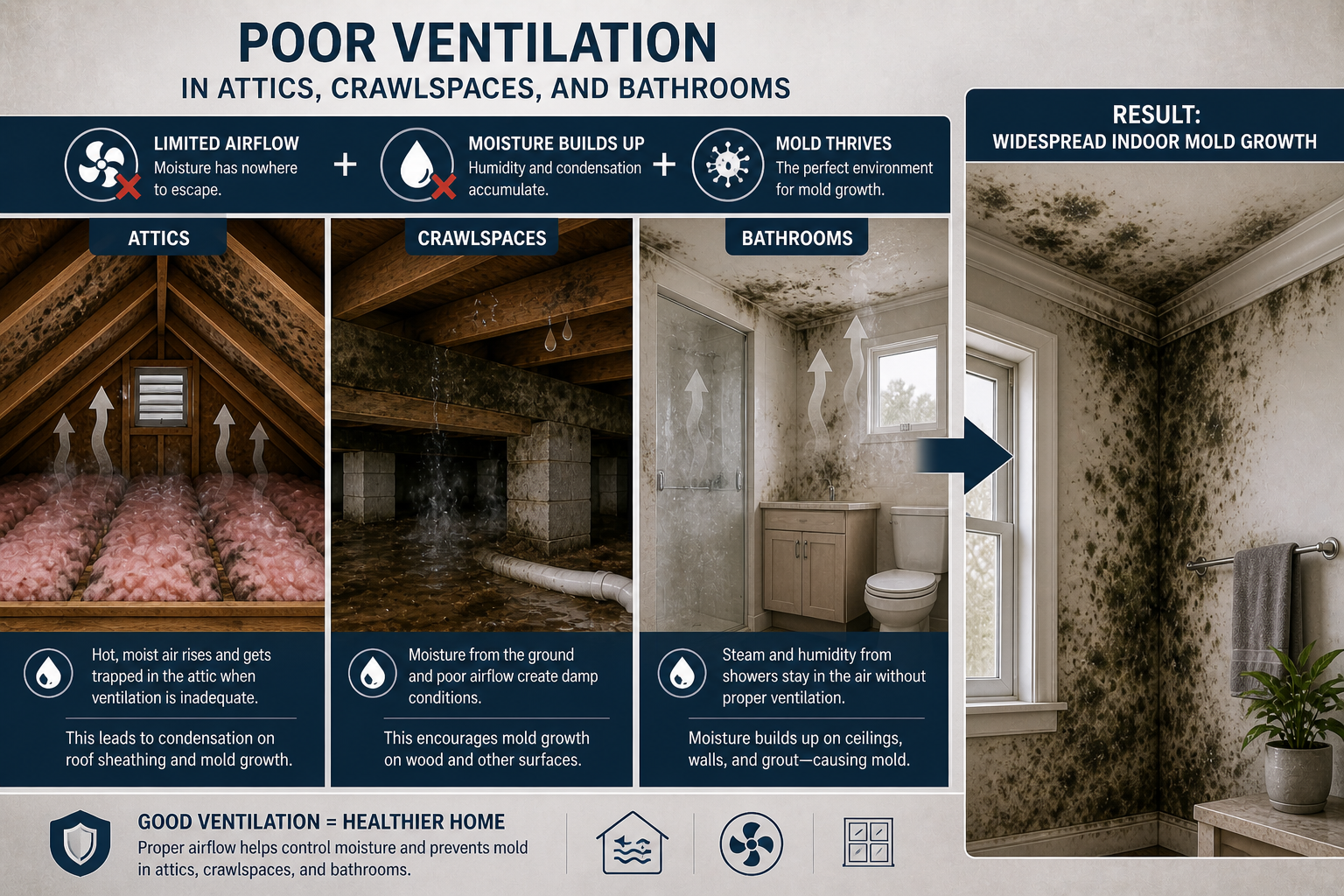
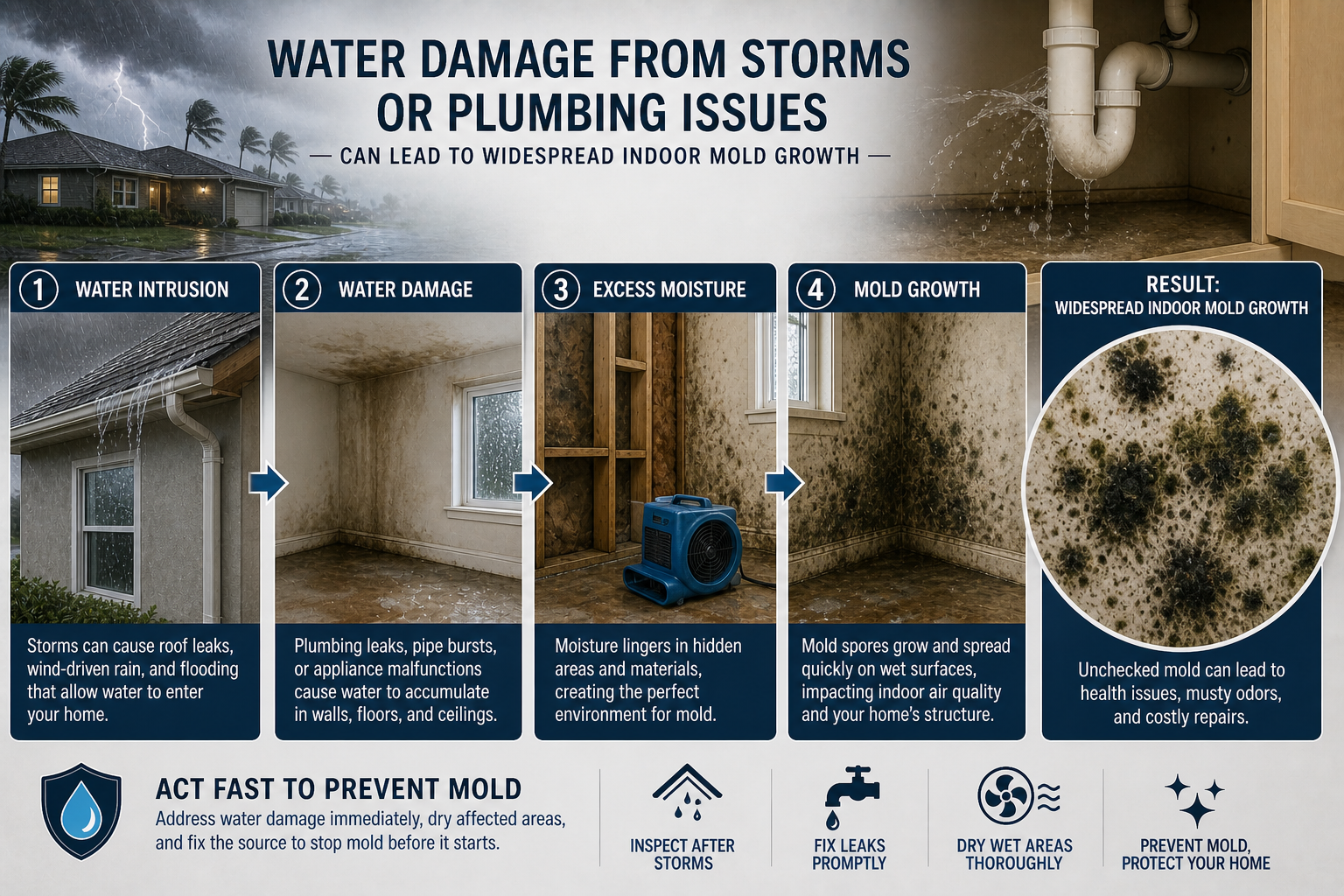
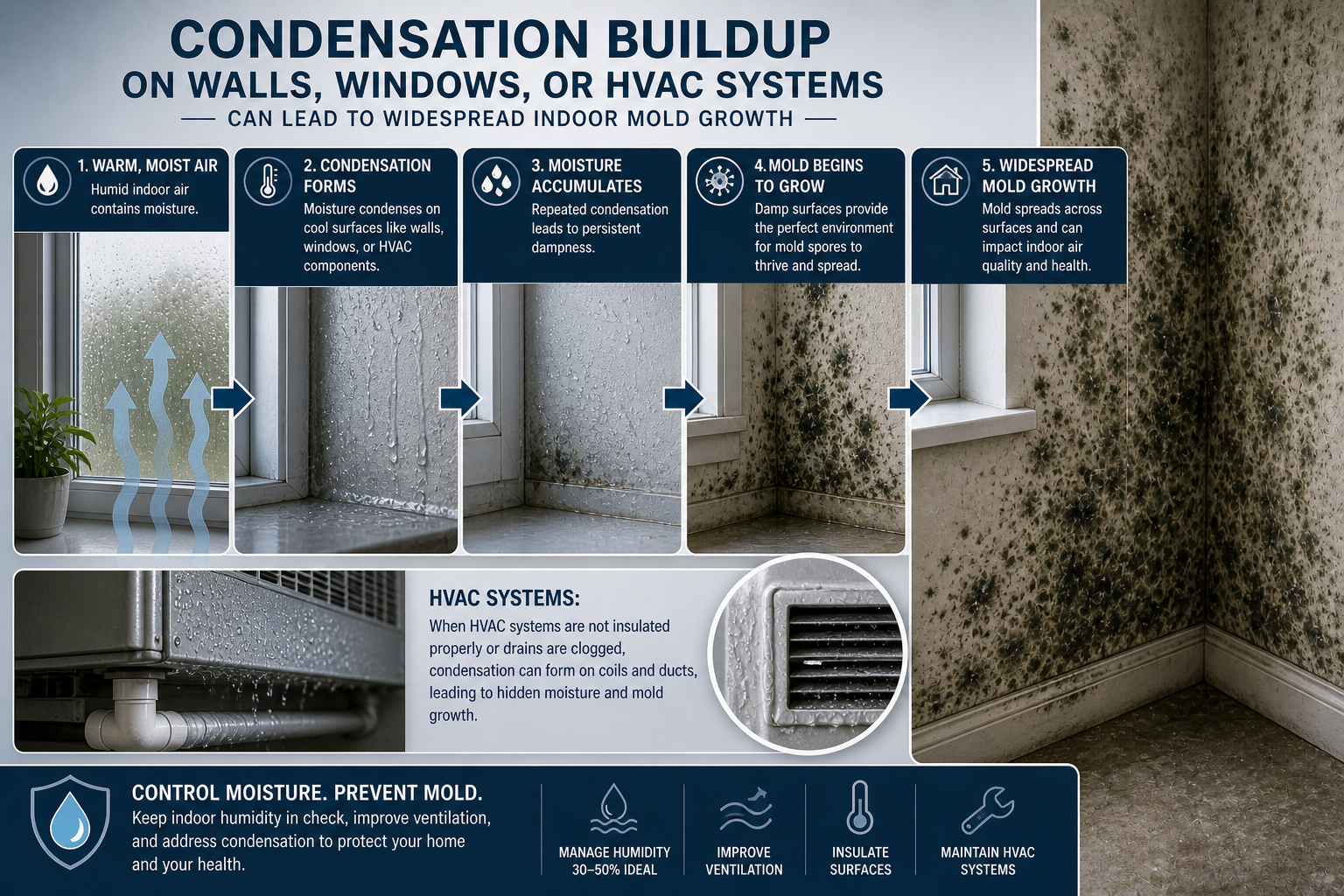
Often, the problem develops gradually, making early detection important.
Why It’s Common in Jacksonville
Local conditions in Jacksonville can increase the likelihood of this issue:
These conditions can create the perfect environment for the problem to develop if not addressed early.
In more advanced cases, mold can develop into black mold, which may require more specialized remediation.
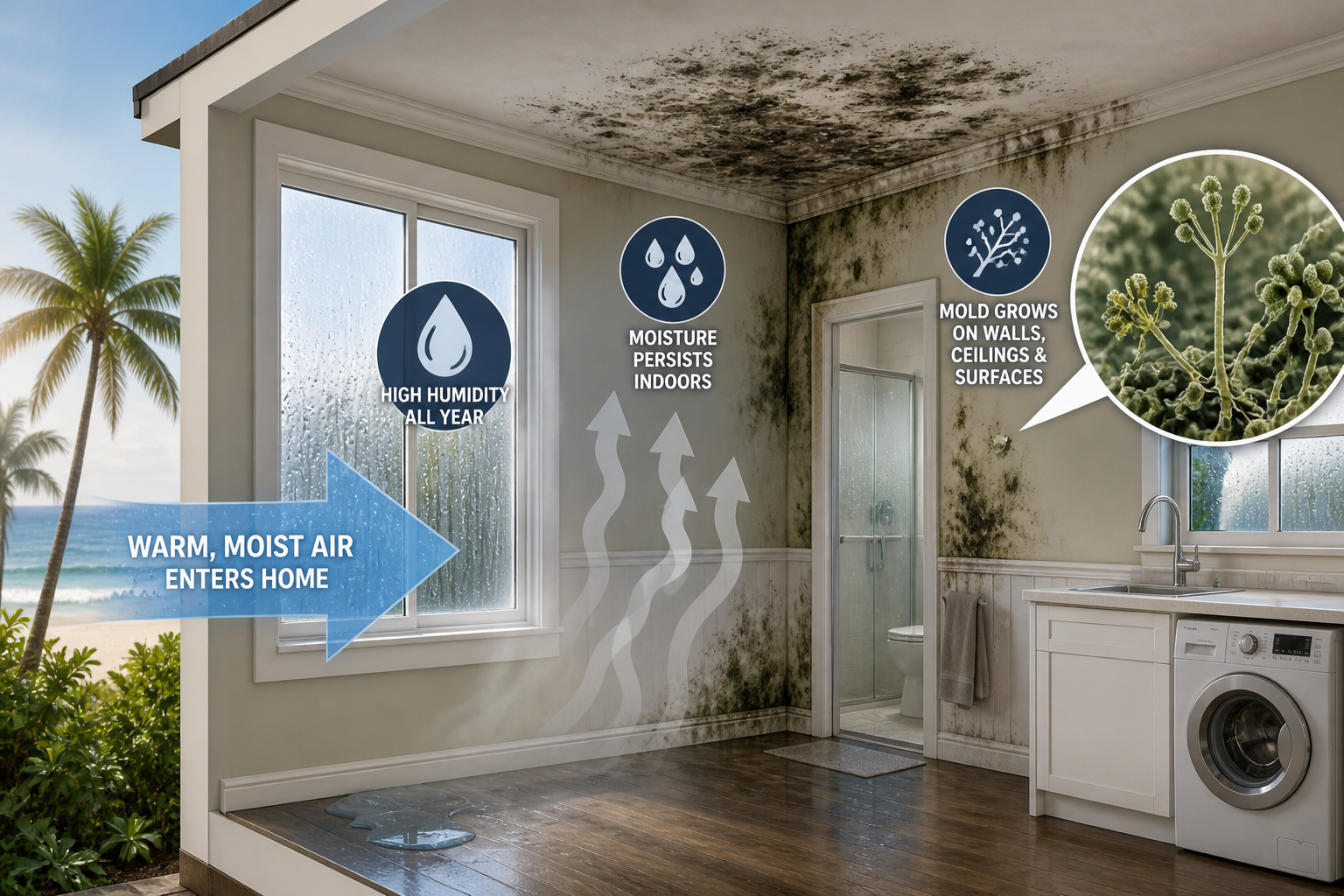
High year-round humidity levels that allow moisture to persist indoors
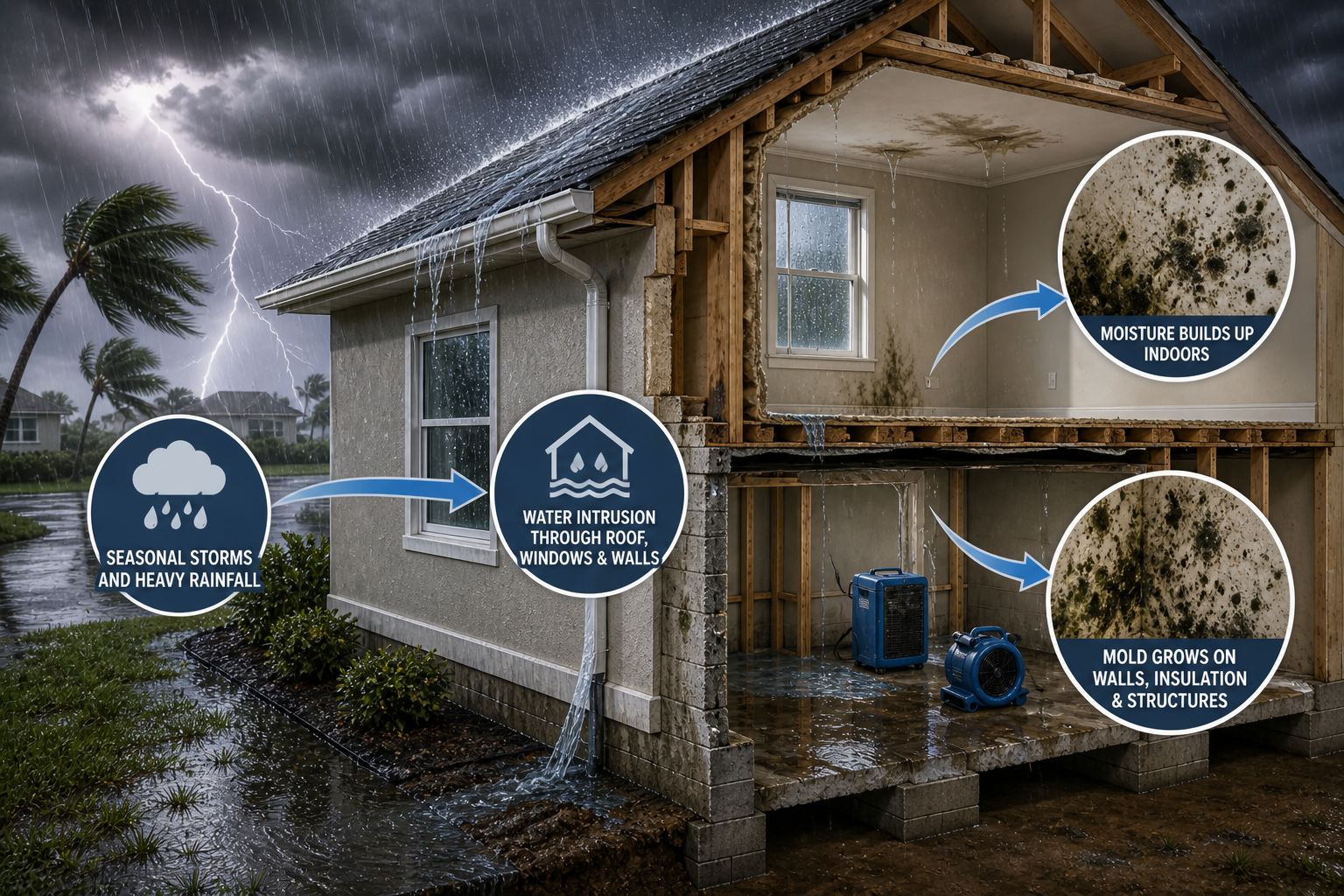
Seasonal storms and heavy rainfall that increase the risk of water intrusion
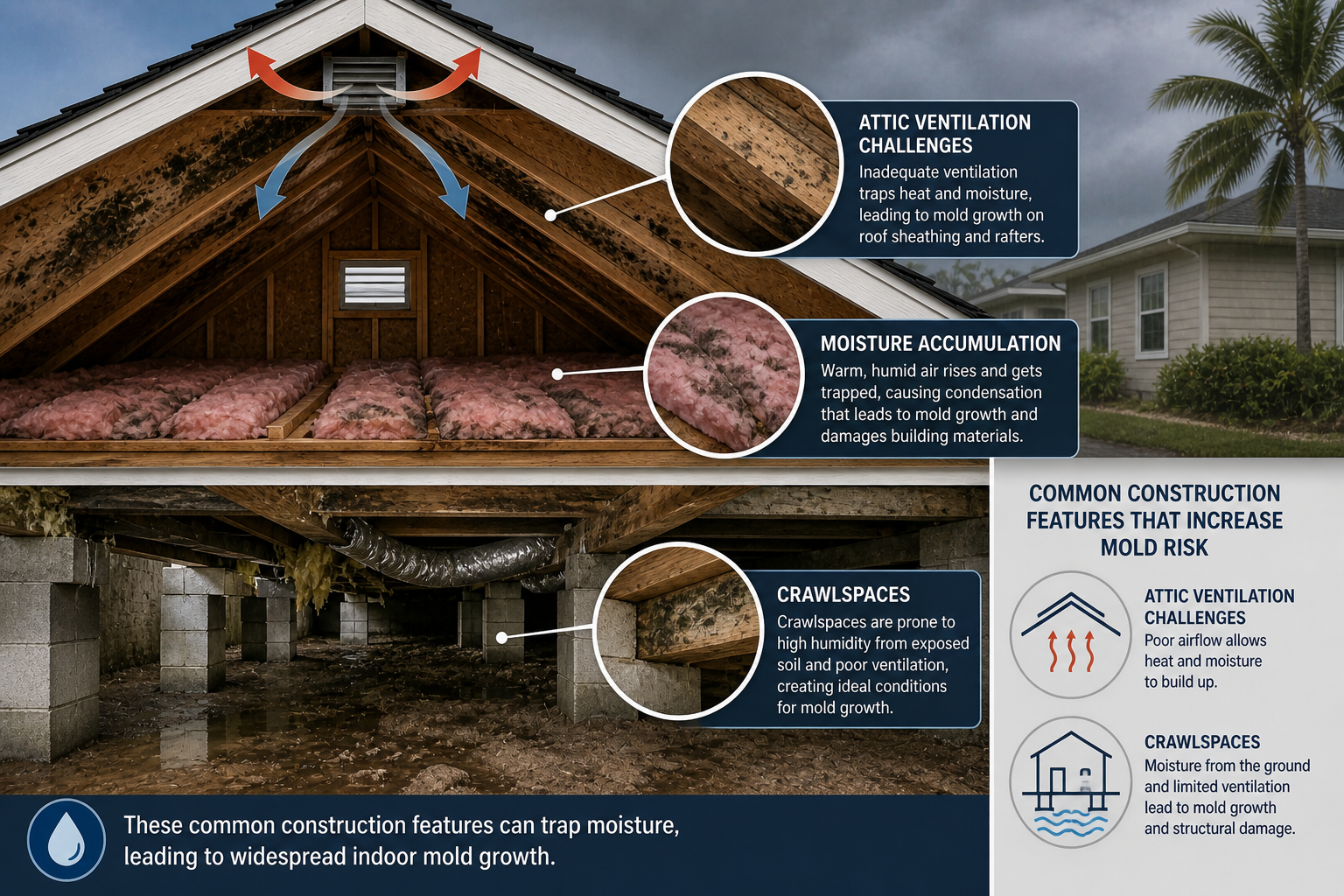
Common construction features such as crawlspaces and attic ventilation challenges
Warning Signs to Watch For
You may want to investigate further if you notice:
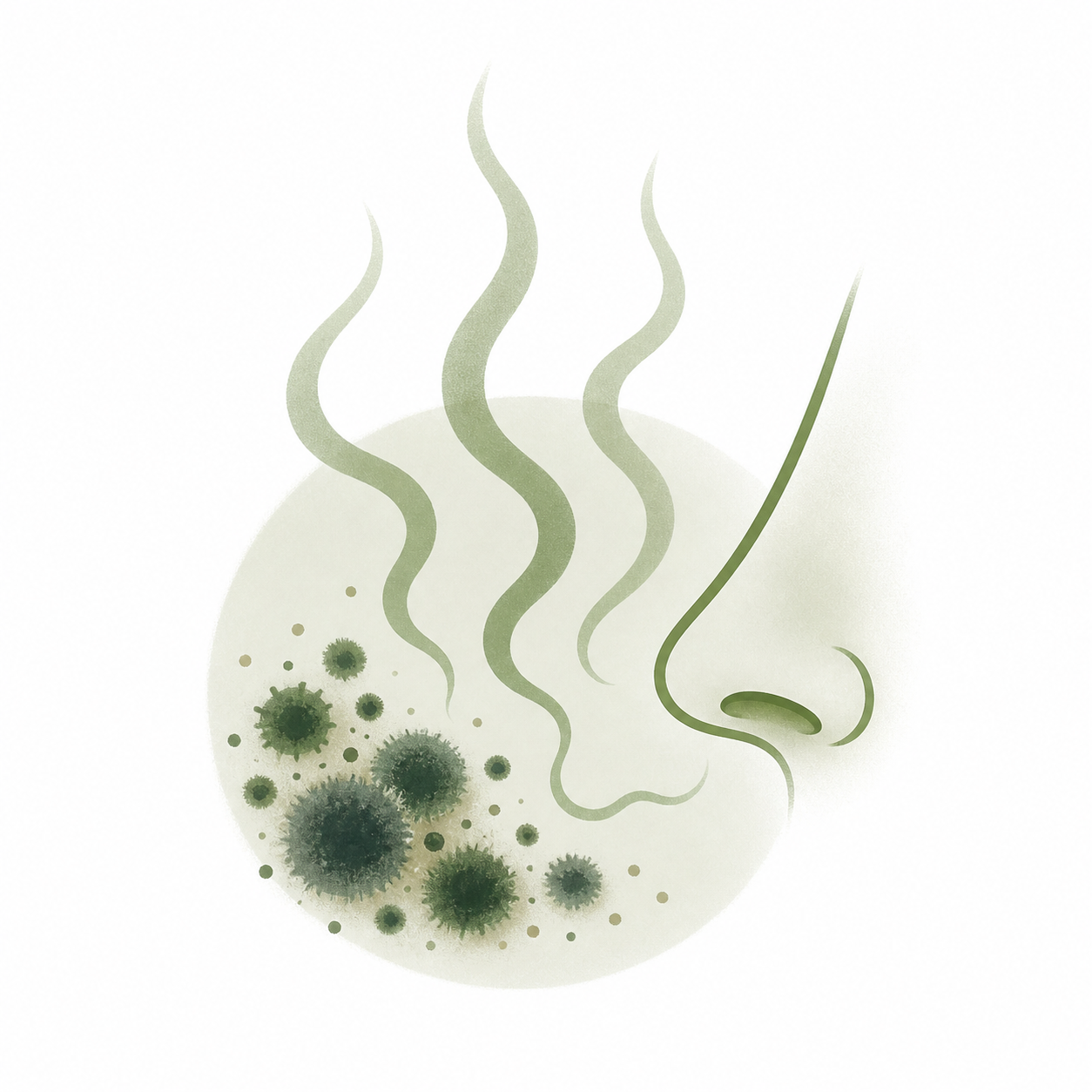
Musty or damp odors that don’t go away
In Jacksonville’s humid climate, persistent musty odors often indicate hidden mold growth where moisture remains trapped due to high humidity levels. Even without visible signs, the smell can signal ongoing moisture and contamination behind walls or under flooring.
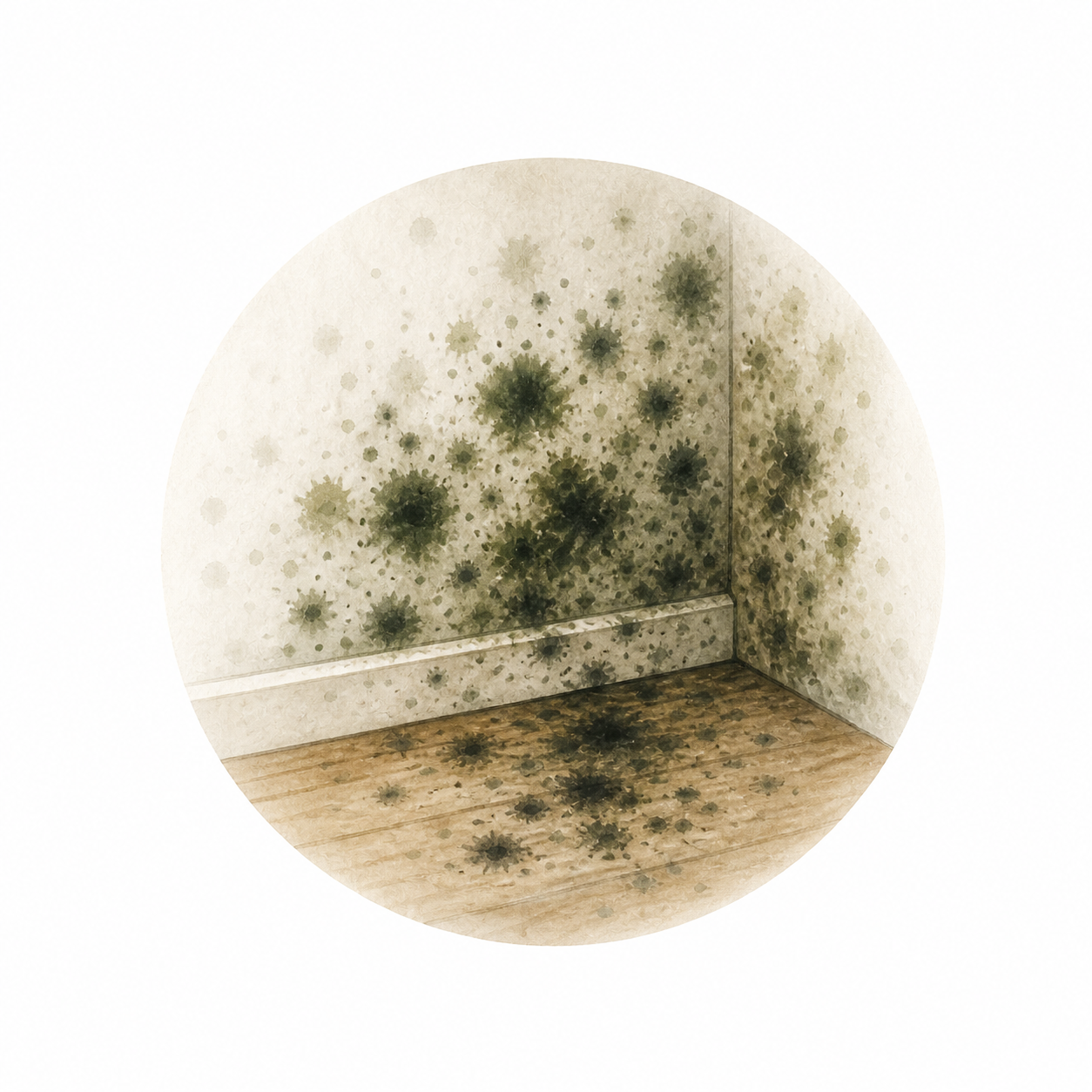
Visible mold growth on walls, ceilings, or flooring
Visible mold in Jacksonville homes is often a result of constant humidity or past water intrusion from storms or leaks. What appears on the surface may indicate a more widespread issue in areas like attics, where moisture tends to linger.
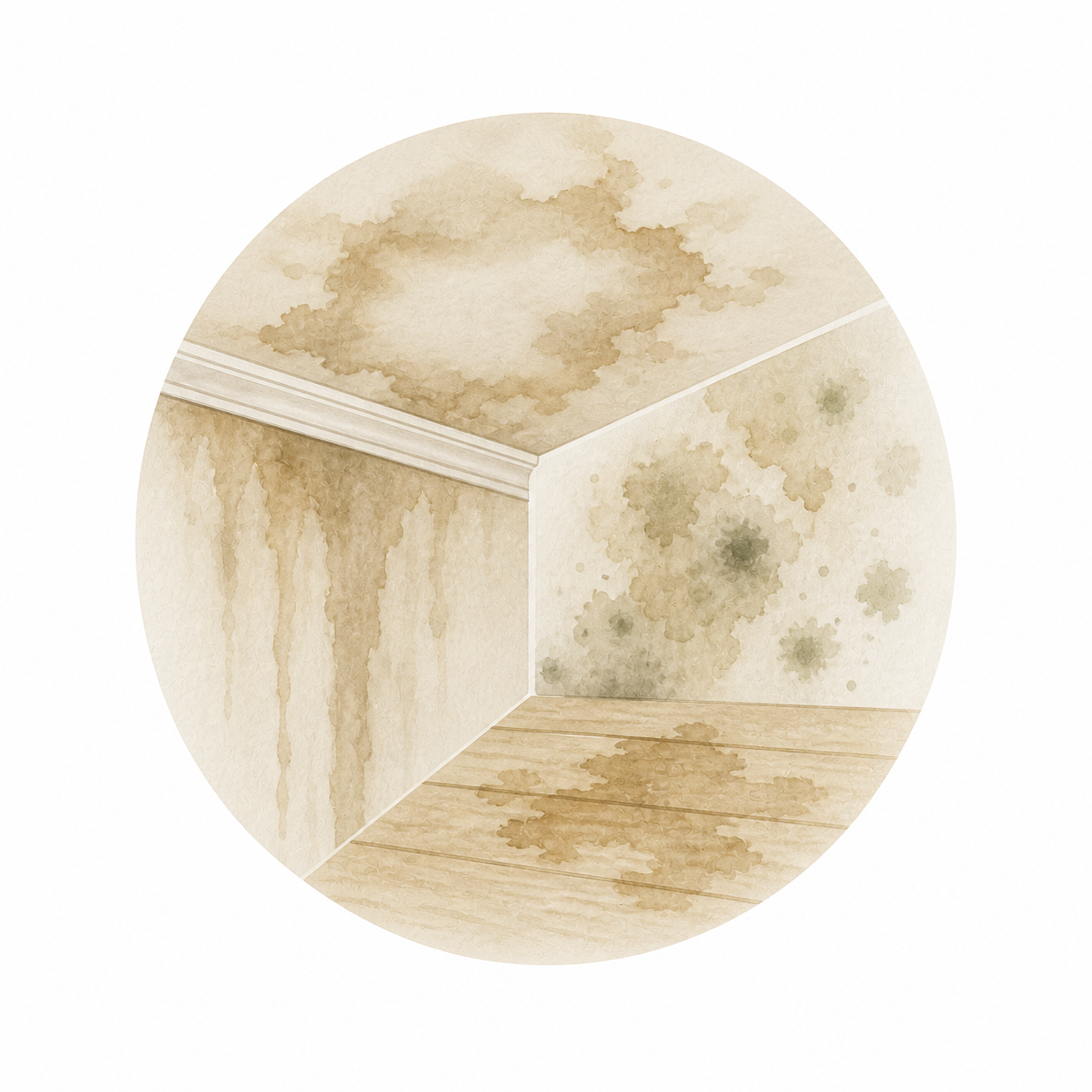
Water stains or discoloration on surfaces
Water stains are common in Jacksonville properties after heavy rainfall or plumbing issues and can signal ongoing moisture problems. These damp areas create ideal conditions for mold growth and should be evaluated to check for hidden contamination.

Allergy symptoms such as coughing, sneezing, or irritation
In Jacksonville, high humidity can allow mold spores to remain active in the air, contributing to indoor allergy symptoms. If symptoms improve when leaving the property, it may indicate a mold-related indoor air quality issue.
In many cases, the next step is determining whether inspection or testing is needed — see mold inspection vs mold testing for a breakdown.
Potential Risks of Ignoring the Issue
Depending on the situation, leaving the problem unaddressed may lead to:
Increased damage to drywall, wood, and structural components
Higher repair and remediation costs over time
Reduced property value or difficulty during resale
Indoor air quality issues that may affect occupants
Understanding the risks can help you decide when to act.
When Professional Evaluation Makes Sense
You may want to consider contacting a licensed mold remediation professional for an assessment if:
The issue is recurring
Symptoms are worsening
The problem affects indoor air quality or structural integrity
You’re planning renovations or selling the property
An evaluation can help determine the root cause and recommend the best course of action.
How the Issue Is Typically Resolved
Solutions vary depending on severity and underlying cause, but may involve:
Targeted Repairs to address leaks or moisture sources
Removal of Affected materials and contamination
Air filtration and cleaning to improve indoor conditions
Preventive measures such as improved ventilation or moisture control
Cost Considerations
The cost of addressing this issue depends on:
Severity and scope
Accessibility
Property size
Materials or systems required
For a detailed breakdown of pricing in Jacksonville, see our guide below.
Cost of Service in Jacksonville
Identifying the issue often starts with understanding the difference between mold inspection and mold testing.
Related Resources
These guides provide additional context and next steps.
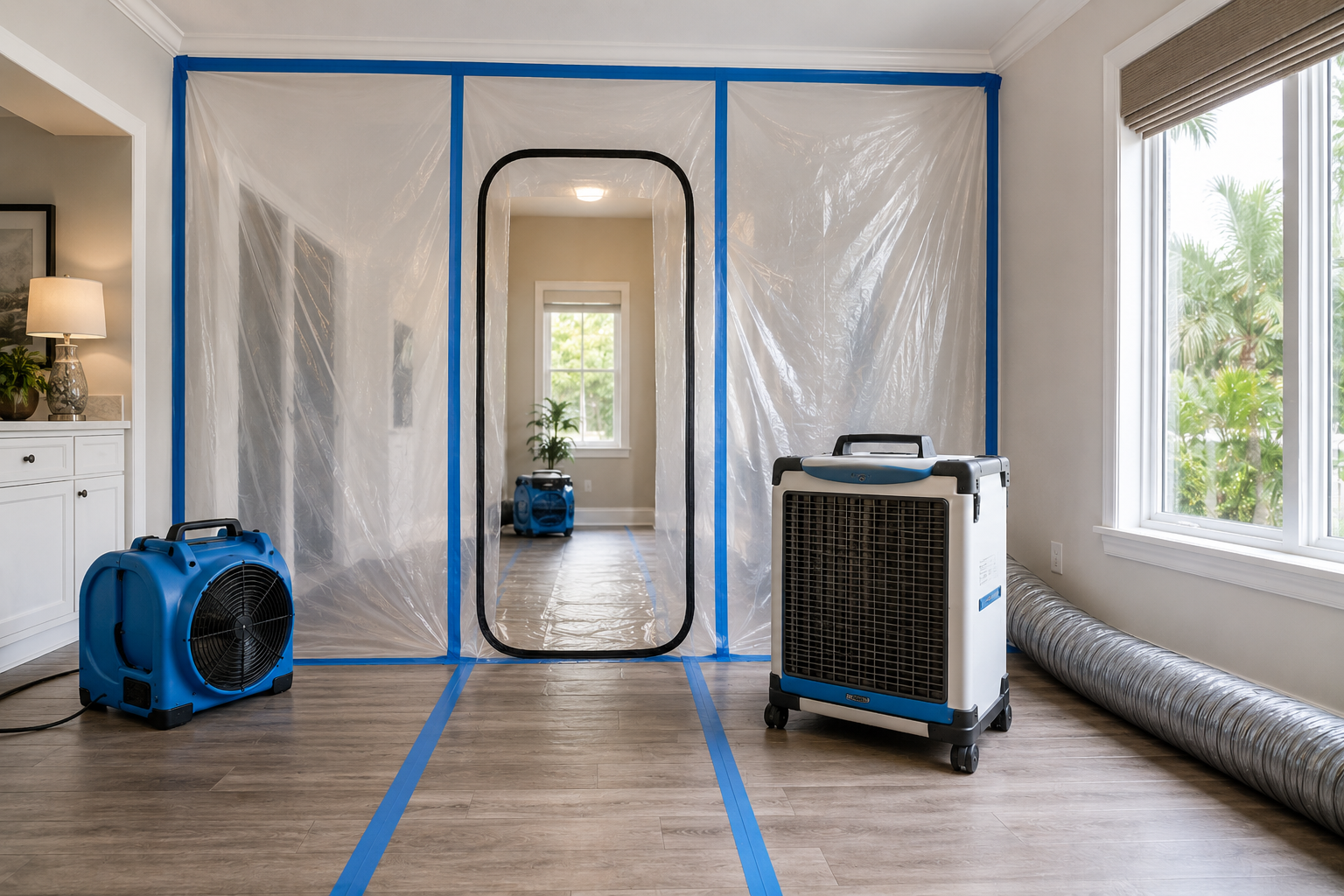
Mold remediation is the process of removing mold contamination and addressing the moisture conditions that allow it to return.
In Jacksonville, where humidity and water exposure are common, remediation helps restore a safe and stable indoor environment.
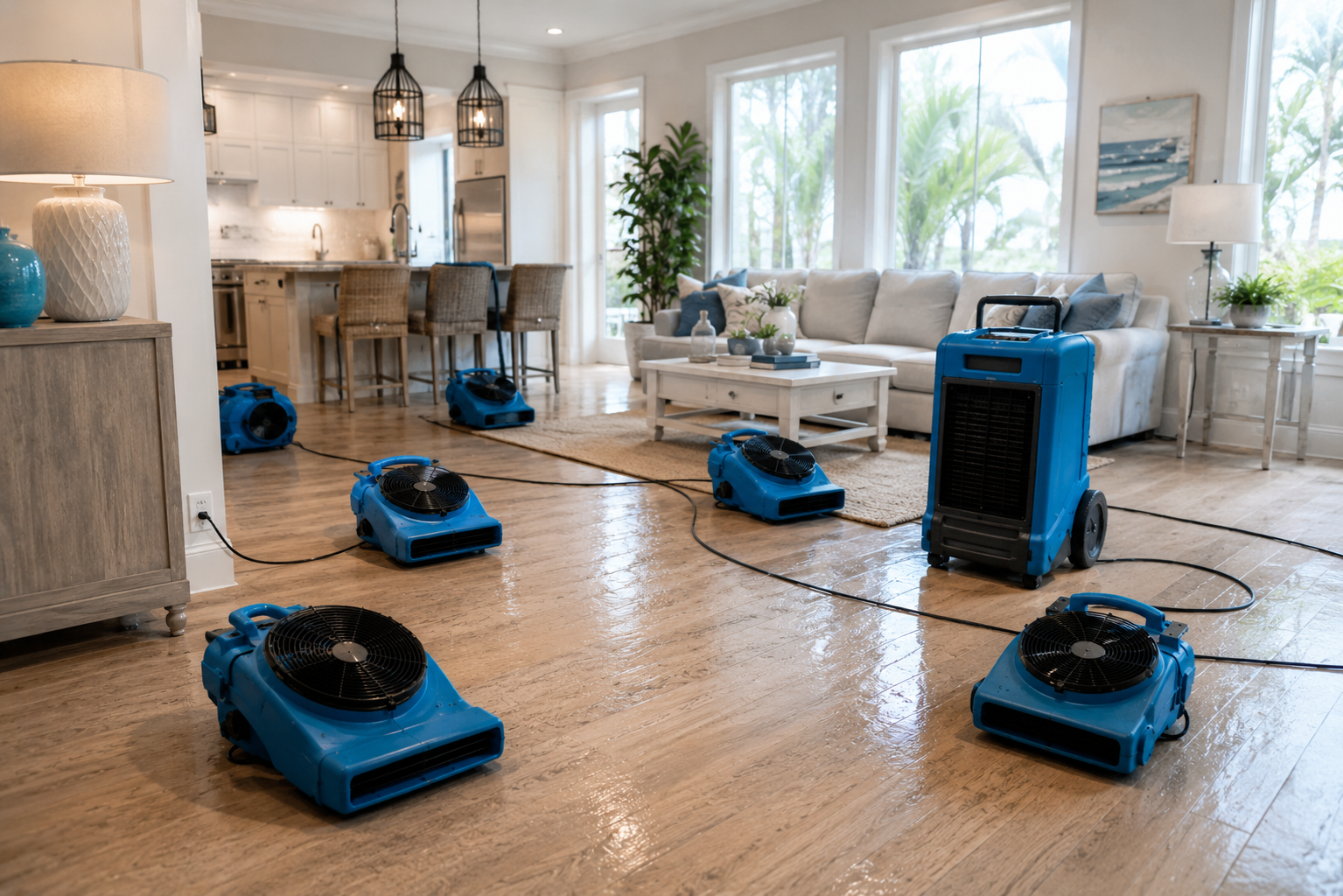
Water damage restoration focuses on removing moisture and drying affected areas after leaks, flooding, or storm-related events.
In Jacksonville, prompt restoration plays a key role in preventing mold growth and further property damage.
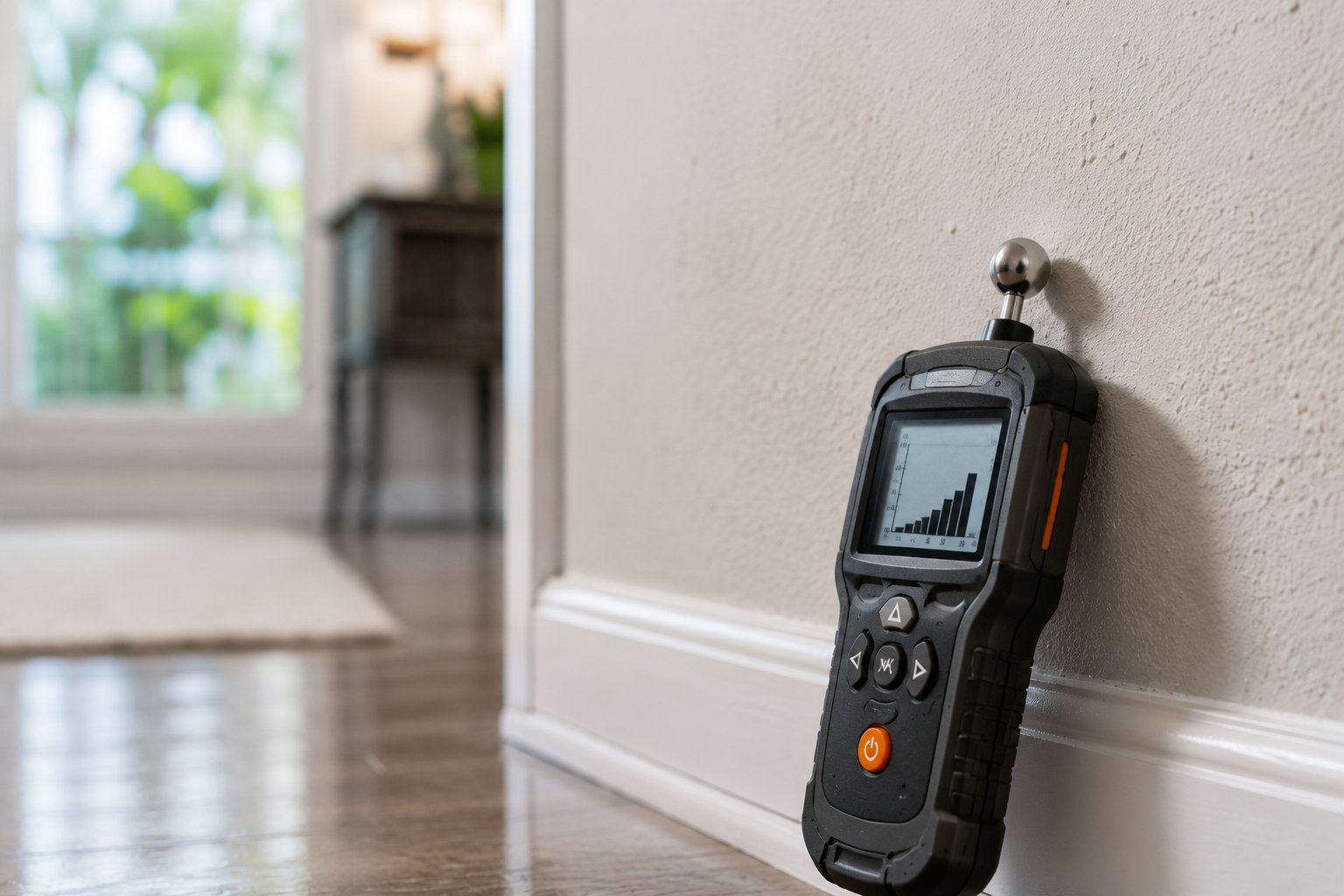
A mold inspection evaluates a property for signs of moisture and potential mold growth, even in hidden areas.
This process helps identify the source of the issue and determine the most appropriate next steps.
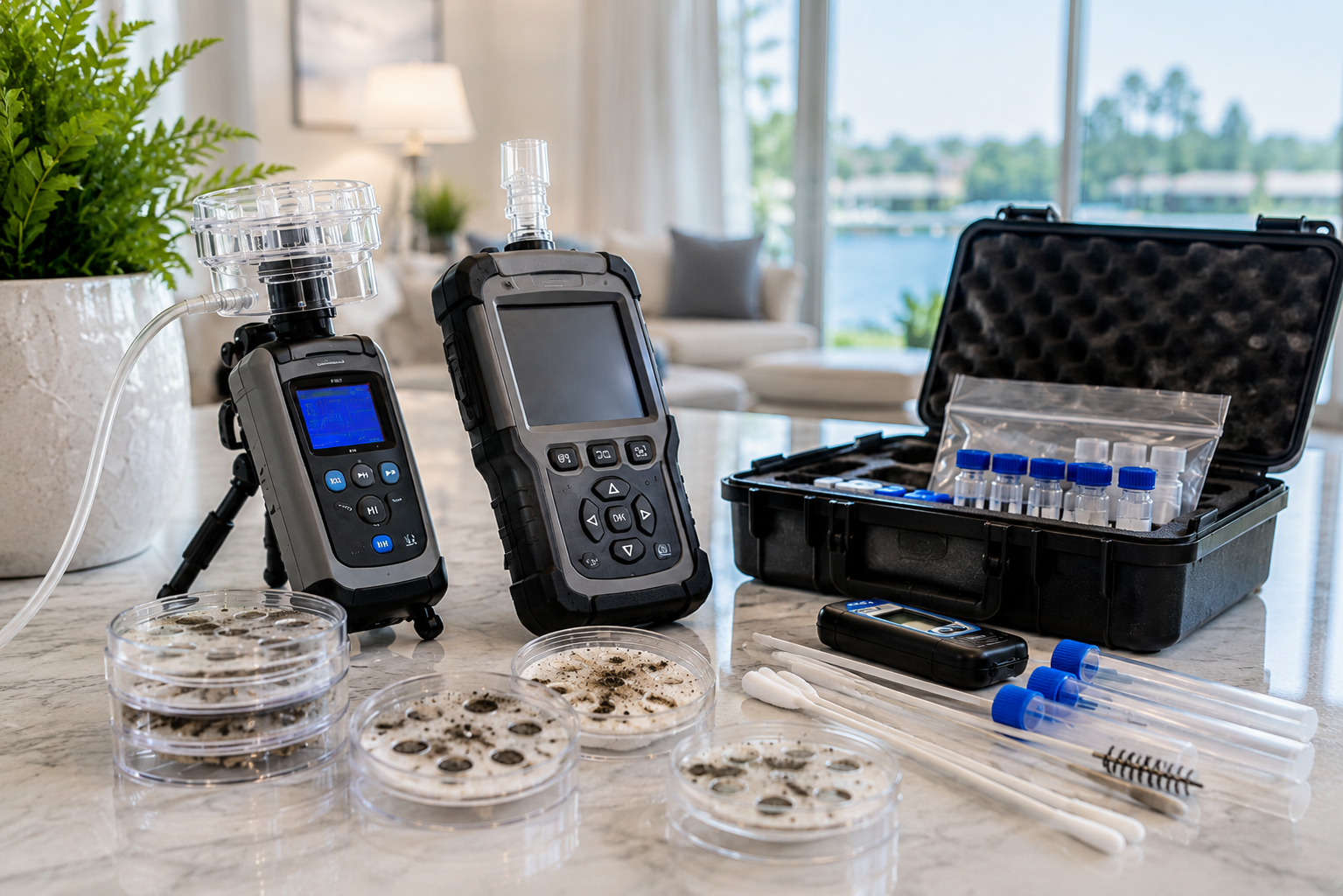
Mold testing measures the presence and concentration of mold spores within a property.
It provides clear data to confirm contamination levels and support decisions about remediation or air quality concerns.
We will get back to you as soon as possible.
Please try again later.
Request an Indoor Mold Growth Evaluation in Jacksonville
If you’re experiencing widespread indoor mold growth and want to better understand your options, you can request an evaluation to determine the best approach.
Providing a brief description of your situation helps ensure an accurate assessment.
Connect With a Local Mold Professional
Indoor mold growth in Jacksonville homes is often connected to moisture that has spread behind walls, beneath flooring, inside attics, or within other enclosed areas. Provide a brief description of the affected areas and any recent leaks, storms, or humidity concerns so a qualified local mold professional can help guide the next step.
Request an Estimate
Thanks for contacting us! We will be in touch with you shortly.
Please try again later.
Frequently Asked Questions
Is widespread indoor mold growth common in Jacksonville homes?
Widespread indoor mold growth can become a concern in Jacksonville when high humidity, heavy rainfall, storm-related moisture, or unresolved leaks affect more than one area of a property. Homes with moisture-prone attics, crawlspaces, wall cavities, or limited ventilation may be more vulnerable when damp conditions persist.
What causes mold to spread through a home?
Mold may spread when the original moisture source is not identified and addressed. Common contributors include roof leaks, plumbing issues, water damage, elevated humidity, condensation, poor ventilation, and moisture trapped behind walls, beneath flooring, or inside enclosed areas.
Can heavy rainfall or storm damage cause indoor mold growth?
Yes. Tropical storms, wind-driven rain, roof damage, flooding, and plumbing-related water intrusion can introduce moisture into building materials throughout a home. When ceilings, walls, insulation, flooring, attics, or crawlspaces do not dry properly, mold-related conditions may develop or become more extensive.
How do I know whether a mold issue may be more widespread?
Persistent musty odors, visible growth in more than one area, recurring stains, repeated moisture problems, or signs that return after cleaning can indicate that the underlying issue extends beyond the visible surface. A mold inspection can help identify possible moisture sources and affected areas, while testing may be appropriate when additional information is needed.
When should I request an evaluation for indoor mold growth?
Consider requesting an evaluation when visible mold is spreading, moisture problems keep returning, the property has experienced recent water intrusion, or odors and humidity concerns do not improve. An assessment can help determine whether the issue involves hidden moisture, water damage, ventilation concerns, or mold growth requiring remediation.